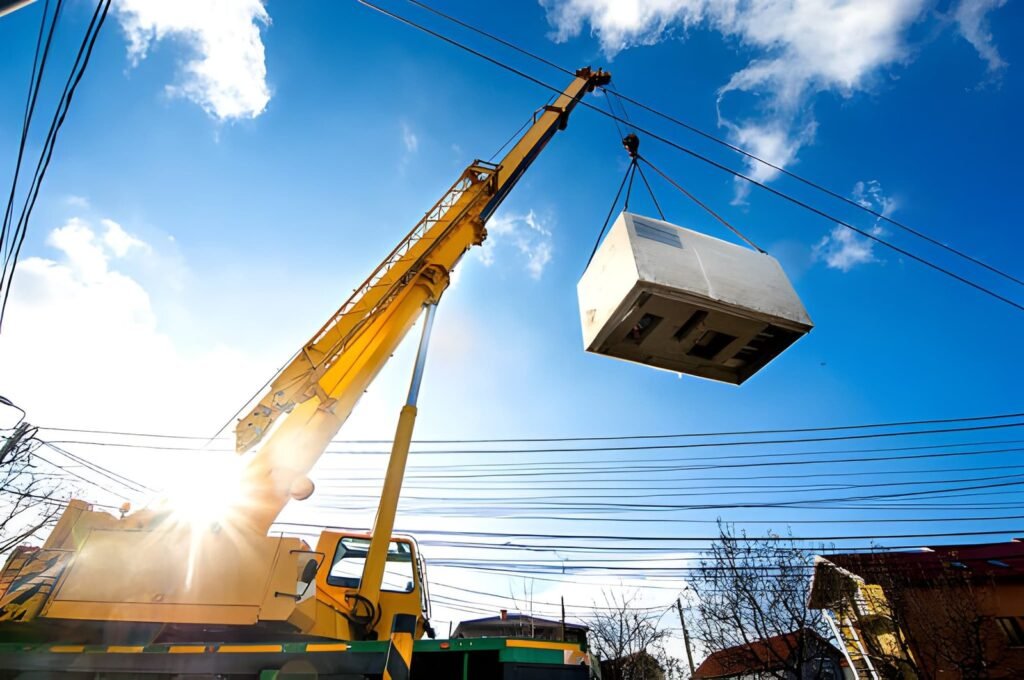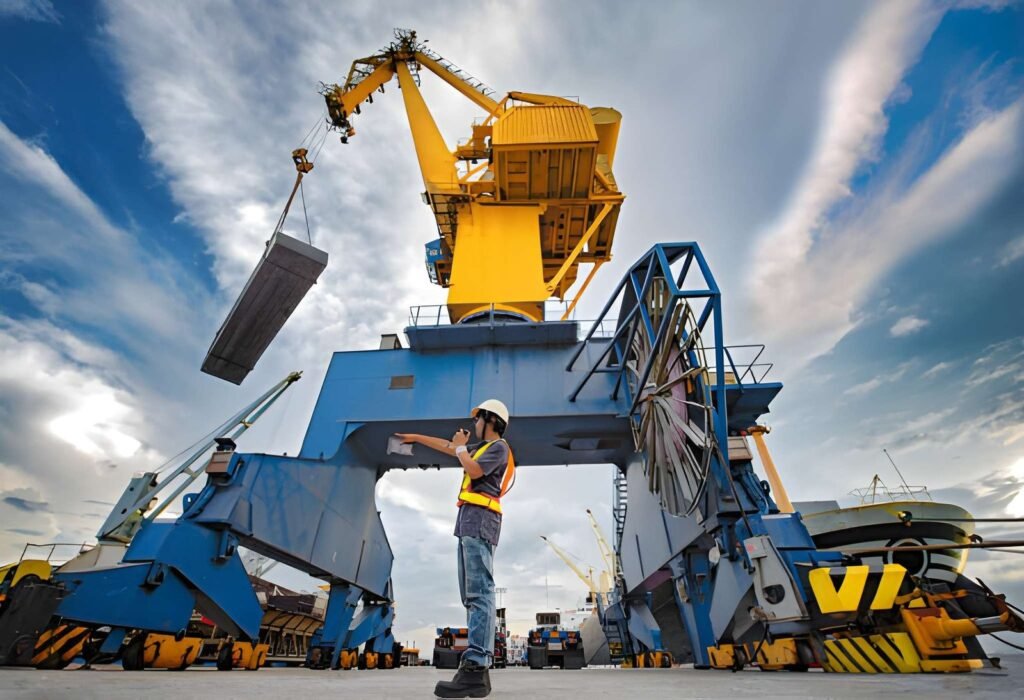

Operating a crane in unpredictable or extreme weather conditions presents serious safety risks and operational challenges. From high winds to heavy rain, understanding how to manage these conditions is not just about maintaining productivity—it’s about protecting lives, equipment, and property. This guide covers best practices for safe crane operation in poor weather and how to choose the right equipment for challenging environments.
Always Be Prepared for Safe Operations
Preparation is the foundation of safe crane work. Weather conditions can shift quickly, so every crane operator and site manager should have a clear plan in place. This applies to all lifting equipment, including EOT cranes Dubai projects where precision and safety are critical. Preparation should include monitoring weather forecasts, scheduling lifting tasks during favourable conditions, and knowing when to halt operations. Safety protocols must be reviewed regularly, and all equipment must be inspected thoroughly to ensure it meets required safety standards.
Choosing the Right Type of Crane
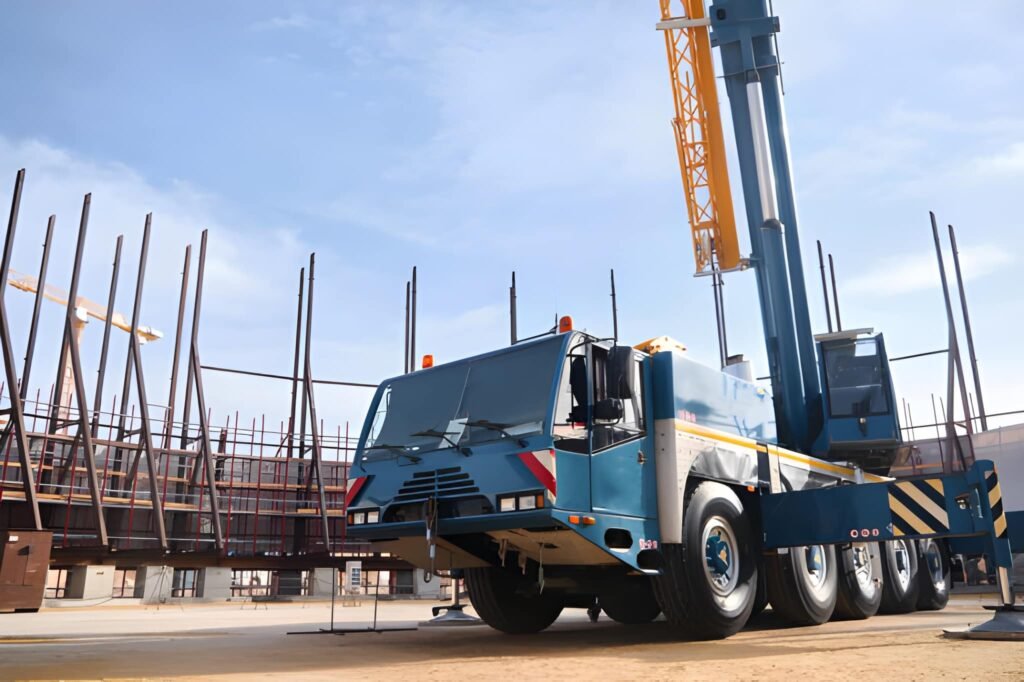
Different cranes respond differently to weather changes. For example, crawler cranes offer greater stability on soft or frozen ground, while all-terrain cranes are designed to handle varied conditions more flexibly. When facing unpredictable weather, always choose equipment tested and rated for the specific climate and terrain you’re working in.
Types of Inclement Weather and Best Practices for Safe Operations
Frigid Cold
Extreme cold can cause frozen hydraulics, weakened components, and reduced lubrication.
Best practices:
- Use low-temperature hydraulic fluids and lubricants
- Allow cranes to warm up before operation
- Protect operators with heated cabs or appropriate winter gear
Extreme Heat
High temperatures can overheat machinery and pose health risks to operators.
Best practices:
- Inspect hydraulic systems, coolants, and hoses frequently
- Ensure operators stay hydrated and take breaks in shaded areas
- Use UV-protective covers on exposed surfaces
High-Velocity Winds
Wind is one of the most dangerous factors for crane operations, affecting load control and stability.
Best practices:
- Follow the manufacturer’s wind speed limits strictly
- Use anemometers to monitor wind speeds in real time
- Stop operations immediately if wind conditions threaten safety
Snow, Ice, Hail, and Sleet
Frozen precipitation reduces visibility, crane traction, and structural reliability.
Best practices:
- Clear snow and ice from all crane components and pathways
- Watch for slippery surfaces to prevent falls and equipment sliding
- Use anti-slip mats and hazard markings during icy weather
Heavy Rain
Rain compromises visibility and load security, increasing risk.
Best practices:
- Ensure electrical components are fully weather-sealed
- Delay operations during heavy downpours
- Secure loads carefully, as wet surfaces can cause slipping
Thunder and Lightning
Lightning poses immediate danger to crane operators and surrounding workers.
Best practices:
- Stop all crane activity immediately at the first sign of lightning
- Lower the boom and halt all elevated work
- Seek shelter and wait at least 30 minutes after the last thunderclap before resuming operations
How to Prevent Weather-Related Crane Problems
Effective prevention includes consistent maintenance, training, and equipment protection.
Key steps:
- Inspect crane components before and after harsh weather
- Train staff to recognise stress indicators or early signs of equipment failure
- Cover exposed parts with heavy-duty tarpaulins during downtime
We’re Here to Help You Operate Safely
Whether you need guidance on selecting the right crane, training your team for weather preparedness, or ensuring equipment is safe and compliant, our experts are ready to support your operational needs. Safety should never be compromised—especially in severe weather.
Partner with Dubai Cranes for Safe and Reliable Lifting Solutions
When weather conditions create uncertainty on-site, having the right equipment and expert guidance becomes essential. Dubai Cranes provides dependable lifting solutions, professional support, and safety-focused advice to ensure every project runs smoothly—even in challenging environments. Whether you require EOT cranes, crane inspections, or operational guidance, our team is here to help you work safely and efficiently.
Contact Dubai Cranes today to get expert support and secure your project with confidence.
Frequently Asked Question
What is the maximum wind speed for crane operation?
Each crane model has a wind limit set by the manufacturer. In general, operations should stop when winds exceed 20–25 mph (32–40 km/h), depending on load type and crane size.
Can a crane operate during light rain?
Light rain may not require a full shutdown, but extra caution is necessary. Slow down lifting speeds, secure loads, and ensure clear visibility.
Is it safe to leave a crane upright during storms?
No. Cranes should be lowered and secured to avoid tipping or structural damage from high winds and lightning.
How do you maintain a crane in extreme cold?
Use the correct low-temperature fluids, warm up hydraulics gradually, and inspect hoses and seals for cracking. Remove snow or ice before operation.
What precautions should operators take during lightning?
Stop work immediately, lower the boom, evacuate the area, and resume only after at least 30 minutes with no thunder or lightning.