
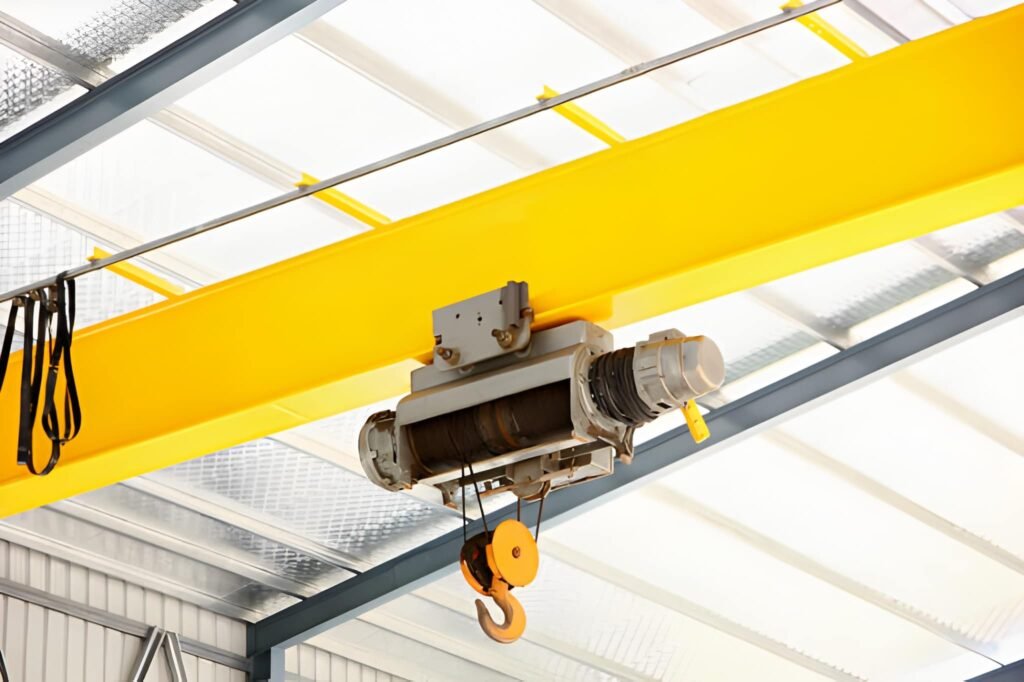
EOT (Electric Overhead Traveling) cranes are built to last for many years, typically between 20-30 years, depending on factors like usage, maintenance, and environmental conditions. Regular maintenance and proper care can significantly extend their lifespan, ensuring safe and efficient operations.
The EOT crane is a key asset in numerous industries, offering efficient lifting solutions for heavy loads. Understanding the factors that affect the lifespan of these cranes can help prevent costly breakdowns and ensure smooth operations. Proper maintenance, usage monitoring, and environmental considerations are essential to maximizing the crane’s service life.
What Is an EOT Crane?
What is the Average Lifespan of an EOT Crane?
On average, an EOT crane can last between 20 to 30 years. However, this can vary depending on factors such as how frequently the crane is used, the load it handles, and the maintenance it receives. A well-maintained crane used under moderate conditions can often exceed this lifespan.
Factors Affecting the Lifespan of an EOT Crane
- Frequency and Duration of Use: Cranes that are used frequently or for long hours generally have a shorter lifespan due to increased mechanical stress.
- Load Handling: Regularly exceeding the crane’s rated load capacity will cause faster wear and tear, potentially reducing its service life.
- Environmental Conditions: Cranes in harsh environments, such as corrosive or humid conditions, face accelerated degradation unless properly protected.
- Maintenance Practices: Regular inspections, lubrication, part replacements, and timely repairs help extend the crane’s life.
- Design and Build Quality: Cranes made from high-quality materials and advanced technology are built to last longer and handle heavier loads efficiently.
What Does EOT Mean in Cranes?
Step-by-Step Guide to Prolonging Your EOT Crane’s Life
- Implement Regular Maintenance: Make sure the crane is inspected frequently, with special attention to key components like the hoist, cables, and brakes.
- Monitor Load Handling: Train operators to avoid overloading and follow operational guidelines, ensuring the crane operates within its rated capacity.
- Protect Against Environmental Damage: Use protective coatings and ensure the crane operates in environments that minimize corrosion and extreme weather exposure.
- Use Condition Monitoring: Implement systems to track crane performance, including wear indicators and usage analytics, to detect issues early and prevent failures.
Ready to Maximize Your EOT Crane’s Lifespan?
At Dubai Cranes, we know how important it is to keep your equipment running smoothly and efficiently. With our expert maintenance services, we can help extend the lifespan of your EOT crane and ensure it performs at its best. Whether you need routine inspections, repairs, or complete overhauls, our team is here to provide tailored solutions for your needs.
Contact us today to schedule an inspection or learn more about how our services can help you maximize the life of your crane. Trust Dubai Cranes to keep your operations running safely and smoothly for years to come!
Frequently Asked Questions
How often should an EOT crane be serviced?
Annual servicing is essential, with more frequent checks if the crane is used heavily or in tough environments.
Can an old EOT crane be refurbished instead of replaced?
Yes, refurbishment is possible if the crane’s key components are still in good condition. Regular inspections will determine if refurbishment is a viable option.
What’s the difference between SWP and service life for EOT cranes?
The Safe Working Period (SWP) refers to the time a crane can operate safely, while service life is the actual operational lifespan of the crane, which may be longer or shorter depending on use and environment.
Do environmental conditions affect the lifespan of an EOT crane?
Yes, environmental factors like moisture, extreme temperatures, and corrosive chemicals can shorten a crane’s lifespan unless proper protection is applied.
What should I check during daily crane inspections?
Daily checks should include verifying the condition of cables, hooks, and structural components, testing limit switches, and ensuring the brake system is working properly.