
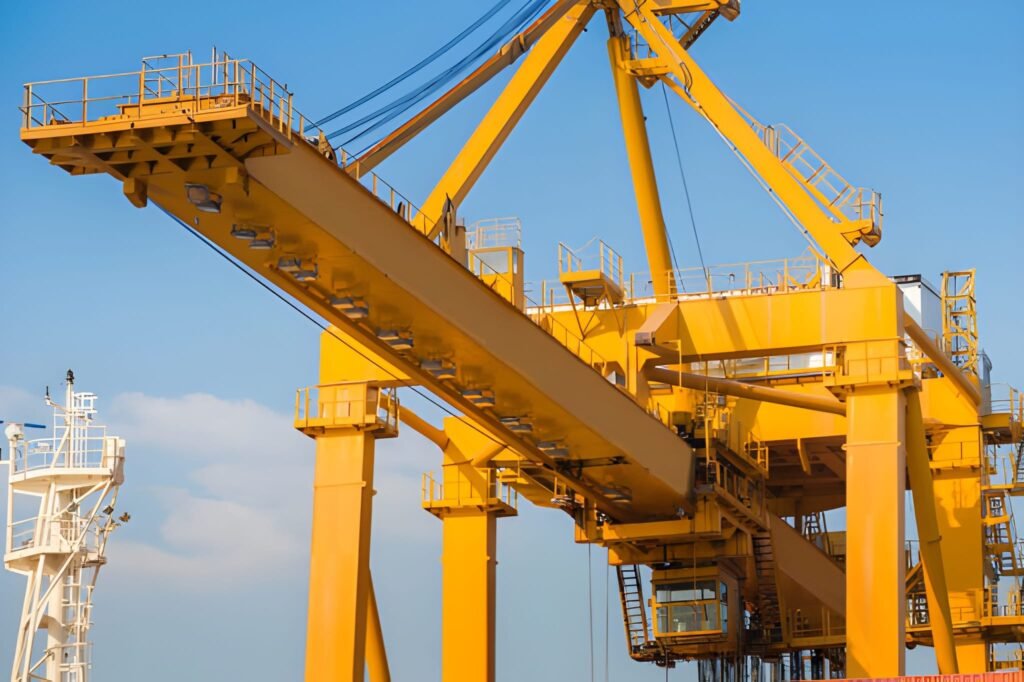
When comparing EOT (Electric Overhead Traveling) cranes and gantry cranes, it’s important to understand their structural differences and determine which crane fits your specific lifting needs. Both cranes offer robust solutions for material handling but differ in application, mobility, and installation requirements.
The Main Differences Between a Gantry Crane and an EOT (Bridge) Crane
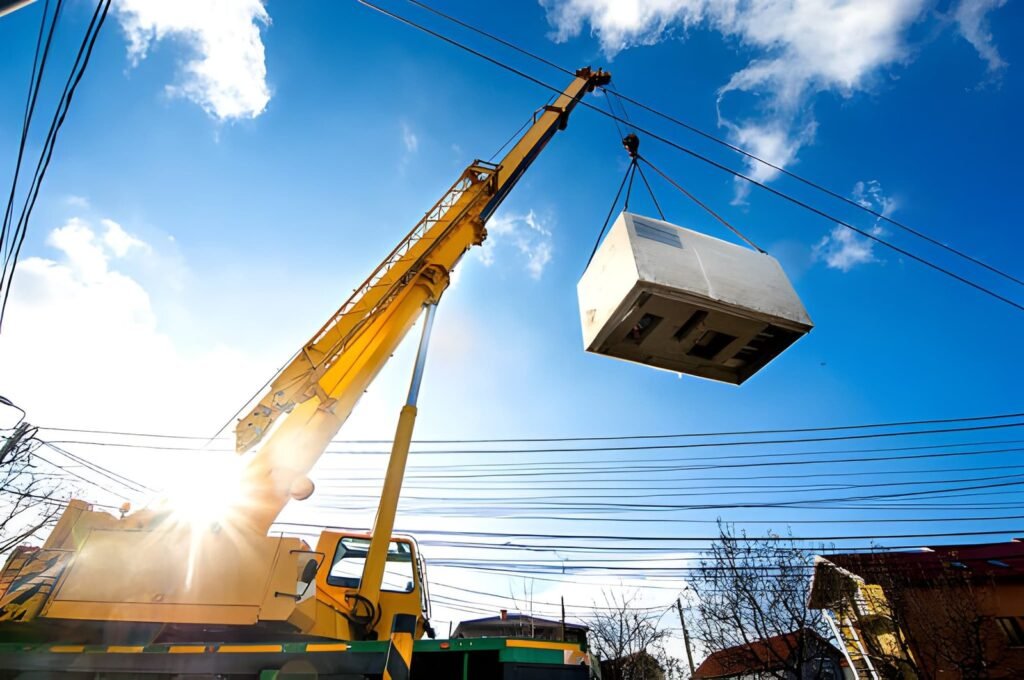
While gantry cranes and EOT cranes in Dubai are often used interchangeably, they serve different purposes. The primary difference lies in their support systems. An EOT crane is typically mounted to building columns or a freestanding runway, spanning across the workspace with a fixed hoist system. In contrast, a gantry crane uses freestanding legs, often on wheels or rails, making it mobile within the facility.
Portability vs Strength
Portability is where gantry cranes excel. They are ideal for environments where materials need to be moved to different locations. EOT cranes, being fixed installations, provide enhanced lifting capacity and stability, making them suitable for heavy and frequent operations in a single location.
EOT (Bridge) Cranes
What Are EOT (Bridge) Cranes?
EOT cranes, also known as overhead cranes, consist of parallel runways with a traveling bridge. A hoist moves horizontally along the bridge to lift and transfer loads efficiently. These cranes are typically found in facilities where materials need to be lifted and moved along a fixed path.
What Are the Pros of an EOT Crane?
- Ideal for heavy lifting and high-capacity operations
- Customizable to fit facility size and layout
- Safe and efficient load handling with minimal ground obstruction
What Is an EOT Crane?
What Are the Cons of an EOT Crane?
- Higher installation and upfront costs
- Less flexibility, usually fixed in place
- Requires building infrastructure or additional support structures
Gantry Cranes
What Are Gantry Cranes?
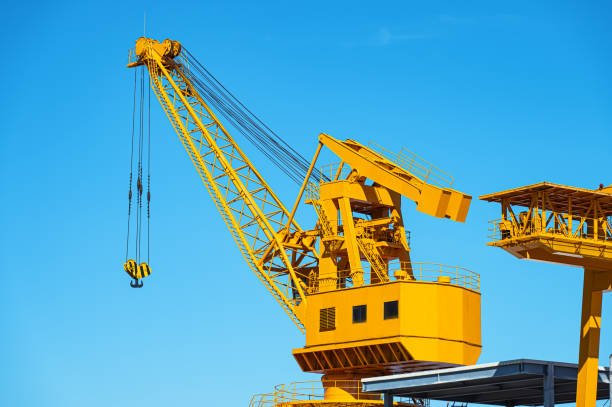
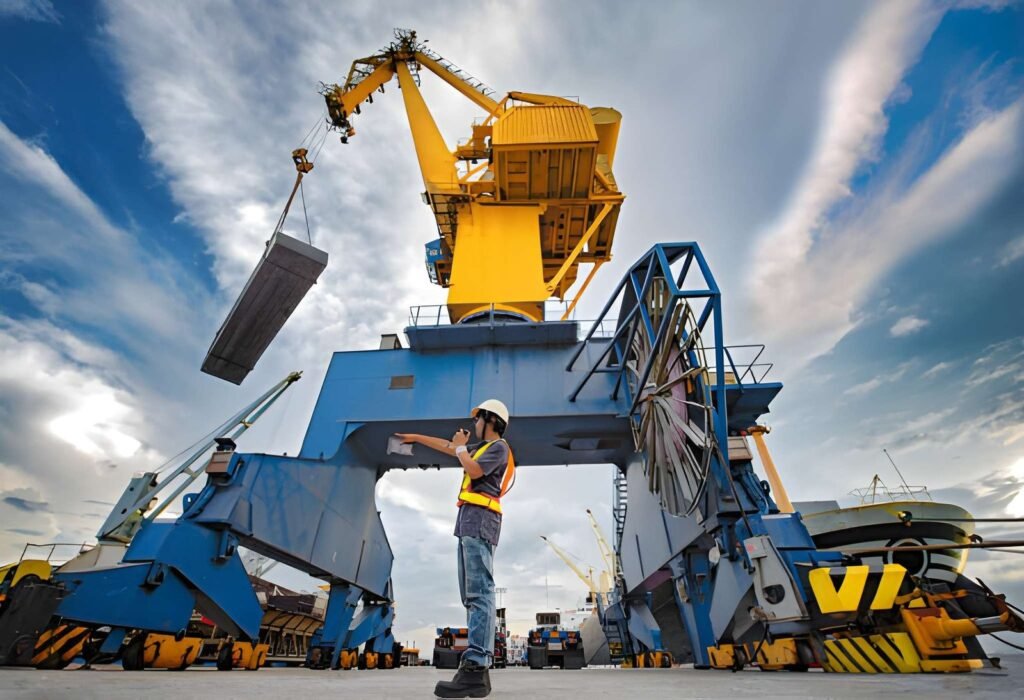
Gantry cranes are similar to bridge cranes in design but are supported by freestanding legs. These cranes can run on rails or rubber tyres and are often used for outdoor environments and temporary lifting tasks.
What Are the Pros of a Gantry Crane?
- Portable and flexible, easily moved to different workstations
- Lower installation costs with no need for structural changes
- Suitable for both indoor and outdoor use
What Are the Cons of a Gantry Crane?
- Generally lower lifting capacity compared to bridge cranes
- Limited lifting height due to self-supporting structure
- Ground-level support structure may obstruct movement in tight spaces
Other Crane Types to Consider
Jib Crane
Compact and versatile, jib cranes are wall- or column-mounted systems that allow for circular lifting motion within a limited area. These are commonly used for workstation or supplemental lifting.
Freestanding Crane
Similar to bridge cranes but not reliant on a building structure, freestanding cranes offer flexibility in areas without existing support columns.
Monorail Crane
Best for linear processes, monorail cranes run along a straight beam and are ideal for lifting in assembly lines or production areas with repetitive movements.
Overhead Traveling Bridge Crane
Advanced bridge crane systems with travelling end trucks, allowing the bridge to move across the entire facility. They are commonly used in warehouses and large-scale industrial settings.
Installation, Load Testing, and Inspection
Regardless of crane type, professional installation is crucial for safe and efficient operation. Load testing should be performed during installation and periodically thereafter to verify capacity and reliability. Routine inspections ensure compliance with safety standards and help extend the lifespan of the equipment.
Things to Consider When Purchasing EOT or Gantry Cranes
- Application Needs: Frequency, load capacity, and environmental conditions.
- Space Availability: Height clearance, footprint, and building structure.
- Mobility: Choose gantry for portable needs, EOT for permanent setups.
- Budget: Account for installation, maintenance, and potential expansions.
- Future Proofing: Consider potential upgrades or custom solutions for the future.
Can Gantry and EOT Cranes Use Top-Running or Under-Running Trolleys?
Yes, both gantry and EOT cranes can be configured with top-running or under-running trolleys. Top-running systems generally offer greater lifting capacity, while under-running trolleys are more suitable for environments with limited headroom or lighter loads.
Application Solutions & Custom Installations
For unique environments, custom crane solutions are available, especially in confined spaces or locations where standard equipment won’t fit. Custom gantry designs are often used for reduced-access lifting situations, such as those in certain manufacturing or construction environments.
Choosing the Right Crane System for You
The choice between a gantry crane and an EOT crane primarily depends on your operational requirements. If you need a rugged, permanent installation for frequent heavy lifting, an EOT crane is ideal. However, if mobility and flexibility are priorities, a gantry crane may be the better choice.
Why Choose EOT Cranes for Your Dubai Facility?
EOT cranes are ideal for heavy-duty lifting in industries such as manufacturing, construction, and warehouses across Dubai. These cranes provide strength, stability, and precision for regular lifting tasks. With their fixed installation, they are perfect for environments requiring consistent, high-capacity lifting.
If you’re looking for a reliable solution for heavy lifting in Dubai, Dubai Cranes can help you find the right EOT crane tailored to your facility’s needs. Our expert team provides high-quality cranes with superior performance, backed by exceptional service and support.
Frequently Asked Question
What industries commonly use EOT cranes?
EOT cranes are widely used in automotive manufacturing, steel fabrication, shipbuilding, and warehousing industries for heavy-duty, repetitive lifting tasks.
Are gantry cranes suitable for outdoor use?
Yes, gantry cranes are perfect for outdoor environments and can be designed to withstand weather conditions when appropriately rated and protected.
How often should a crane be inspected?
Routine daily checks are recommended, with more thorough inspections required monthly or annually, depending on usage and local safety regulations.
Can I relocate my gantry crane to another facility?
Yes, gantry cranes are highly portable and can be disassembled, transported, and reassembled at a new location with ease.
What safety features should I look for in a crane system?
Key safety features include overload protection, emergency stop controls, limit switches, and proper signage. Operator training and regular maintenance schedules are also crucial for safety.