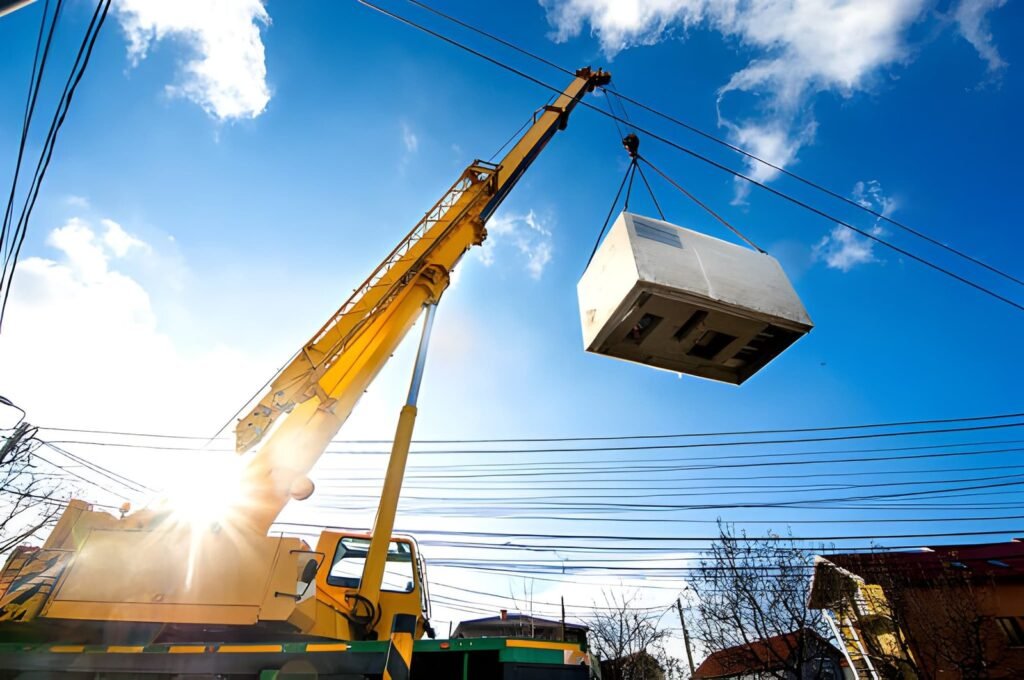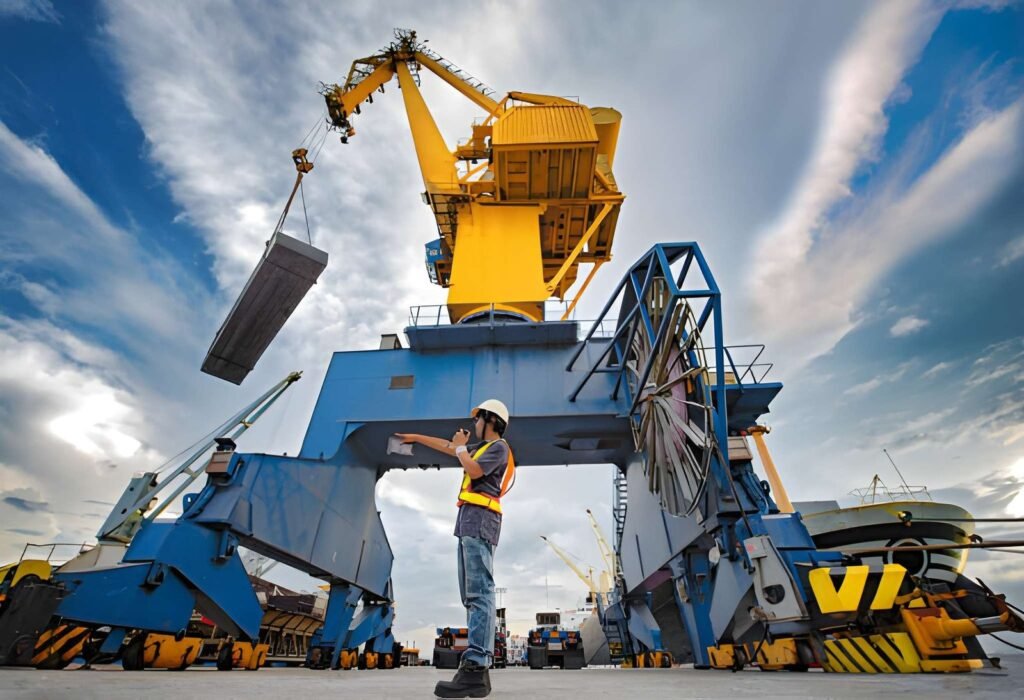

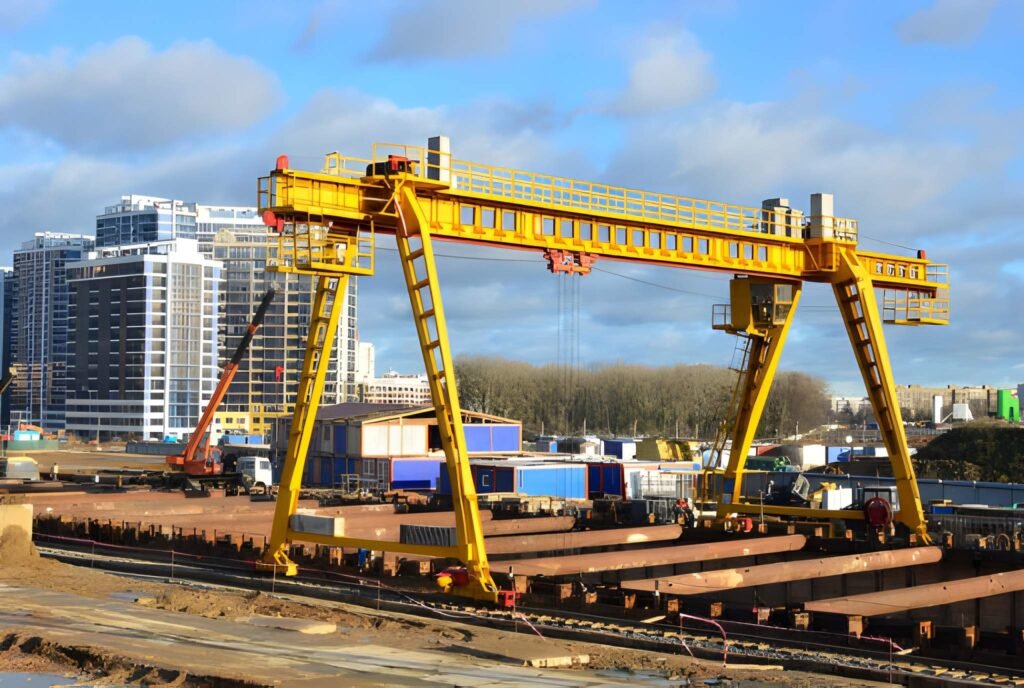
A gantry crane is a type of overhead lifting system supported by freestanding legs that move on wheels or along a track. Unlike overhead cranes, gantry cranes don’t need to be attached to the structure of a building, making them highly versatile and portable. They are commonly used in construction, manufacturing, shipyards, and warehousing for heavy lifting and material handling.
How Does a Gantry Crane Work?
Gantry Crane Manufacturer in Dubai offer gantry cranes that operate by moving a lifting mechanism—typically a hoist—across a beam or girder supported by legs. These legs can be fixed or mobile, running on wheels or tracks. The hoist lifts loads vertically while the crane’s horizontal movement allows it to transfer items efficiently within a defined space. Power delivery can vary, including electric, manual, or air-driven options.
What is the Difference Between an EOT Crane and a Gantry Crane?
Why Are Gantry Cranes Important?
Gantry cranes provide a flexible and effective solution for lifting heavy loads without the need for permanent overhead structure. Their versatility offers benefits in both indoor and outdoor settings, especially where overhead cranes are impractical. They help improve workplace safety and efficiency by reducing the need for manual lifting.
Types of Gantry Cranes
Understanding the different types of gantry cranes is crucial for selecting the right system for your facility:
Full Gantry Crane Systems
These have two legs riding on rails with the entire crane straddling the workspace. Full gantry cranes are ideal for large-scale industrial operations and are often used in shipyards and freight yards.
Semi-Gantry Crane Systems
This variation features one leg riding on a rail and the other end supported by an elevated runway. Semi-gantry cranes are useful where space or structural design prevents the use of a full gantry system.
Portable Gantry Crane Systems
Designed for mobility, these cranes are built on wheels or casters. They are optimal for lighter loads and frequently changing work areas. Typically used in workshops and small factories, they are easy to disassemble and transport.
Adjustable Gantry Cranes
These cranes offer variable heights and span adjustments, perfect for spaces that require frequent configuration changes. Their adaptability makes them excellent for maintenance projects, service shops, and temporary lifting tasks.
Gantry Crane Applications
Gantry cranes serve a broad range of industries and uses, including:
- Loading and unloading shipping containers
- Assembling large machinery and equipment
- Mould handling in injection moulding plants
- Moving heavy parts in maintenance operations
- Transporting items in automotive manufacturing
What Are Gantry Cranes Used For?
They are essential in material handling and are widely used in sectors like construction, aerospace, rail, and heavy equipment servicing. Gantry cranes improve workflow and safety by managing bulky loads that would otherwise require considerable manual effort or alternate complicated lifting systems.
Gantry Crane Design Considerations
Designing the right gantry crane involves multiple factors to maximise safety and efficiency:
Power Delivery
Crane systems can be powered electrically, pneumatically, or manually. Choosing the right power source depends on your workload, location, and budget constraints.
What Is an EOT Crane?
Indoor vs Outdoor Use
Outdoor models need weather-resistant coatings, corrosion-proof materials, and sturdier designs to withstand environmental elements. Indoor cranes often focus on precision, space optimisation, and low noise.
Nearby Foot or Motor Traffic
Facilities with high pedestrian or forklift activity should opt for gantry cranes with enhanced safety features such as audible alarms, warning lights, and obstructed zone sensors.
Fixed Axle vs Rotating Axle End Trucks
Fixed axle systems are simpler and more robust, while rotating axle end trucks offer better mobility and turning radii, ideal for tight operational spaces.
Crane Speed
Speed varies depending on application. Higher speeds increase productivity, but may also raise safety risks if not properly managed. Balancing speed with load control is critical.
Main Differences Between Gantry and Overhead Cranes
While both systems serve the same basic function of lifting and moving loads, key differences include:
- Portability: Gantry cranes can be freestanding or mobile, offering flexibility without structural support. Overhead cranes are fixed and integrated into building frameworks.
- Installation: Gantry cranes require little to no permanent installation, making them quicker to deploy and relocate.
- Capacity: Overhead cranes generally handle heavier loads and are better suited for high-volume continuous lifting.
Which Crane System is Best for You?
The right crane system depends on your workspace, lifting requirements, project frequency, and investment level. Small operations benefit from portable gantry cranes, while large manufacturing may require full gantry or overhead systems. Consider mobility, lifting height, span, and load capacity when selecting your system.
What Are the Hidden Costs of Owning a Gantry Crane?
Initial purchase costs are only part of the picture. Hidden costs may include:
- Routine maintenance and inspections
- Training for operators
- Spare parts and service downtime
- Insurance and regulatory compliance
Factoring these in early can help avoid budget surprises and prolong equipment lifespan.
Built-Up Hoists vs Package Hoist Systems
Built-up hoists offer customisation and higher durability for heavier loads, ideal for industrial applications. Package hoist systems are pre-engineered, cost-effective, and quicker to implement for standard jobs. Your choice should align with your lifting specifications and frequency of use.
Upgrade Your Material Handling with Dubai Cranes
Looking to improve efficiency and safety in your operations? At Dubai Cranes, we offer top-of-the-line gantry cranes and other lifting solutions tailored to your needs. Our team of experts can help you select, install, and maintain the ideal crane system for your business, ensuring optimal performance and long-term reliability.
Contact Dubai Cranes today to explore our range of lifting solutions and find the perfect crane for your facility.
Frequently Asked Question
What is the maximum capacity of a gantry crane?
Capacity varies widely—from under 1 tonne for portable systems to over 100 tonnes for full gantry setups.
Can gantry cranes be used outdoors?
Yes, provided they are rated for outdoor use with proper weather-resistant materials and coatings.
Do I need special training to operate a gantry crane?
Yes, while some smaller models are simple to use, most gantry cranes should be operated by trained and certified personnel for safety and compliance.
Is it possible to move a gantry crane between facilities?
Portable and adjustable models are designed to be moved. Full and semi-gantry cranes require more effort and planning due to their size and structure.
What safety features should modern gantry cranes have?
Look for features such as overload protection, emergency stop, audible alarms, limit switches, and motion sensors to enhance safety and compliance.