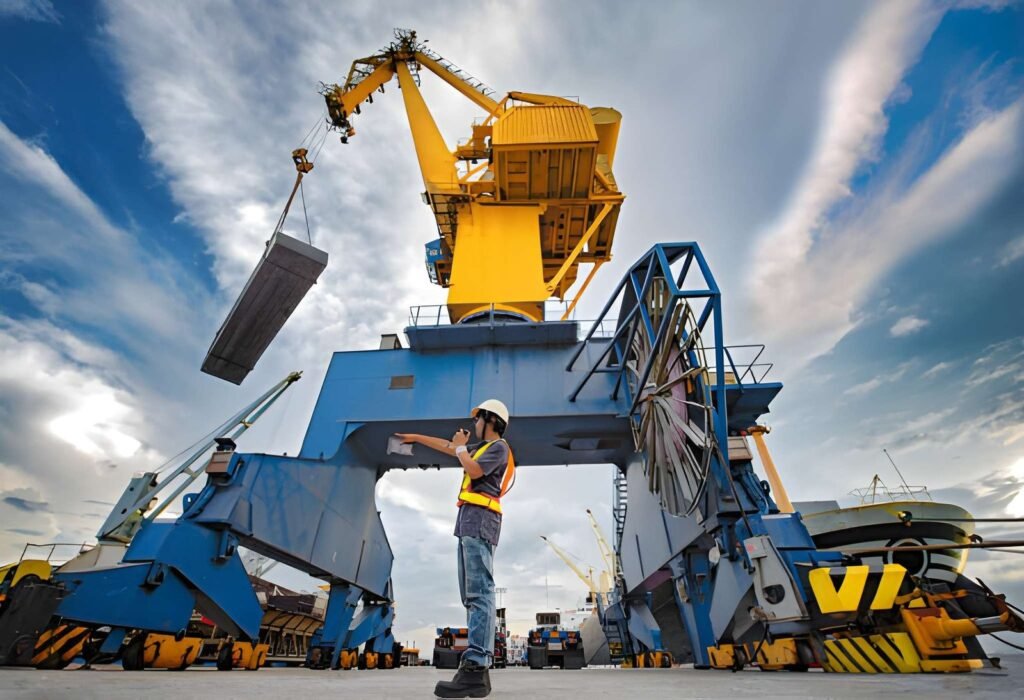


Operating an overhead crane involves significant safety risks, which is why proper training and certification are required. In most industrial and construction environments, crane operators must be trained, assessed, and formally certified before operating equipment. These requirements exist to reduce accidents, protect workers, and ensure legal compliance.
This guide explains licensing requirements, operator qualifications, employer responsibilities, and how crane operator certification typically works.
Eligibility Requirements for Overhead Crane Operators
To operate an overhead crane, individuals must meet basic eligibility standards before entering formal training or assessment.
Common requirements include:
- Being at least 18 years old
- Ability to understand written and spoken English
- Physical and medical fitness suitable for operating heavy equipment
- Sufficient vision, coordination, and awareness
Some roles may also require prior experience in mechanical, industrial, or construction environments.
How Much Weight Can a Jib Crane Lift?
Training and Certification Prerequisites
Before certification, operators usually complete a structured training programme covering both theory and practical operation. This training ensures operators understand safe lifting practices, load control, and emergency procedures.
Typical prerequisites may include:
- Classroom-based safety instruction
- Supervised hands-on training
- Familiarity with lifting equipment and controls
- Completion of required training hours
Previous experience can be helpful but is not always mandatory.
What’s the Difference Between a Jib and a Boom?
Written Examination: What Operators Are Tested On
The written assessment evaluates an operator’s understanding of:
- Crane components and controls
- Safe operating procedures
- Load handling principles
- Workplace safety rules
- Emergency response protocols
Exams are usually multiple-choice and time-limited. A minimum pass mark is required to demonstrate theoretical competency.
What is the difference between a crane and a jib crane?
Practical Examination: Real-World Crane Operation
The practical assessment tests the operator’s ability to safely control a crane in real or simulated conditions.
This typically includes:
- Pre-use equipment inspection
- Controlled lifting and placement of loads
- Following signals and instructions correctly
- Responding appropriately to simulated hazards
Precision, awareness, and adherence to safety rules are essential to pass.
What is a stage 3 crane operator?
Preparing for Crane Operator Assessments
Effective preparation combines theory with hands-on practice. Most candidates prepare through:
- Structured training courses
- Practical lifting exercises
- Safety manuals and guidance documents
- Mock tests and supervised practice
Understanding common risk scenarios is critical for both written and practical success.
Industry Demand for Certified Crane Operators
As construction, manufacturing, and logistics industries continue to grow, certified crane operators remain in high demand. Employers increasingly prioritise formally trained operators to meet safety, insurance, and compliance requirements.
Certification helps demonstrate competence and may open access to a wider range of roles and responsibilities.
Employer Responsibilities for Crane Operation
Employers are legally responsible for ensuring that crane operators are:
- Properly trained and assessed
- Certified for the equipment they operate
- Regularly evaluated for ongoing competence
Employers must also provide refresher training and maintain records of operator qualifications.
Regulatory Training Requirements
Workplace safety regulations require crane operator training to include:
- Theoretical instruction
- Practical operation assessment
- Formal evaluation and certification
- Documentation of competency
Records must be kept to show compliance with safety standards and inspections.
Key Roles and Safety Definitions
Designated Person
An individual authorised by management to perform specific tasks such as inspections or maintenance.
Competent Person
Someone with the knowledge and authority to identify hazards and take corrective action.
Qualified Person
An individual with recognised training, education, or experience related to crane operation and safety.
Certified Person
An operator who has passed both written and practical assessments and met all certification requirements.
Management Responsibilities
Management must confirm that operators are competent and qualified before allowing crane operation. This includes reviewing training records, observing performance, and ensuring ongoing compliance with safety rules.
Equipment Safety and Damaged Gear
Any damaged lifting equipment must be removed from service immediately. Items such as wire ropes, slings, or hooks should only be inspected and approved by qualified personnel. Using damaged equipment significantly increases the risk of accidents.
Ongoing Training and Safety Awareness
Certification is not the end of training. Ongoing education helps maintain safety standards and adapt to new equipment or regulations. This may include refresher sessions, safety briefings, and updated operational guidance.
Get Expert Crane Support from Dubai Cranes
Understanding licensing, training, and safety requirements is essential before operating overhead cranes. Dubai Cranes provides expert guidance, equipment support, and industry-compliant solutions to help businesses meet operational and safety standards. Whether you need advice on crane use, lifting solutions, or ongoing compliance support, their experienced team can assist with informed, practical recommendations.
Frequently Asked Question
Do I need both a written and practical assessment to operate a crane?
Yes. Both assessments are required to demonstrate theoretical knowledge and practical competence.
Is certification permanent?
No. Certification usually requires renewal after a set period to ensure continued competence.
Can I operate a crane without prior experience?
Yes, provided you complete the required training and assessments before operating independently.
What happens if I fail an assessment?
Most programmes allow retakes after additional training or a waiting period.
Is employer-led training enough?
Only if it meets recognized safety and certification standards and includes proper assessment.