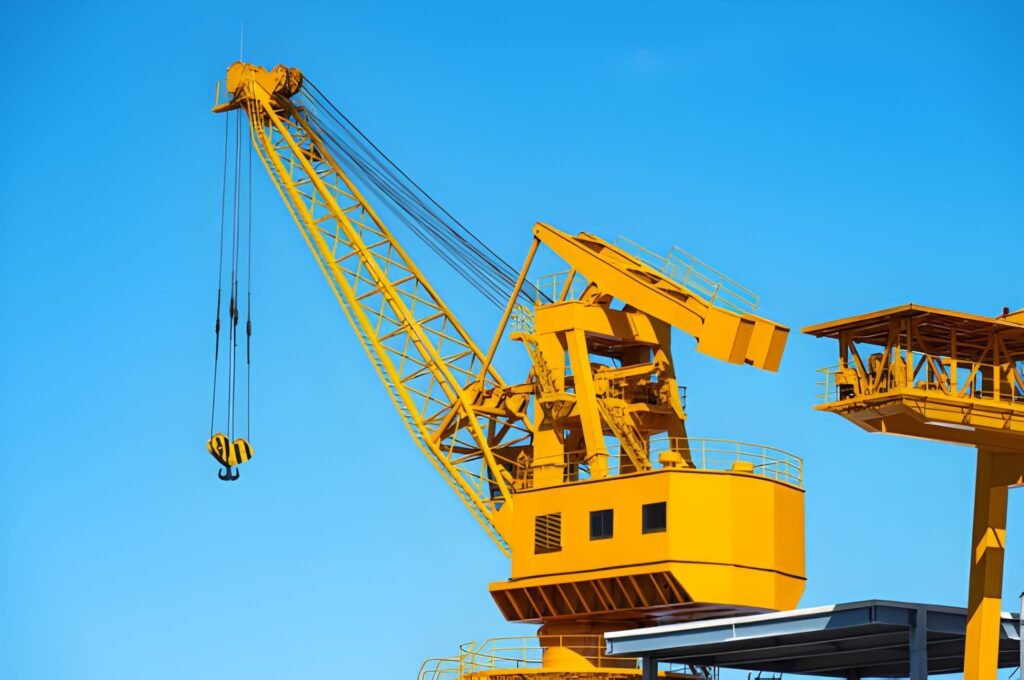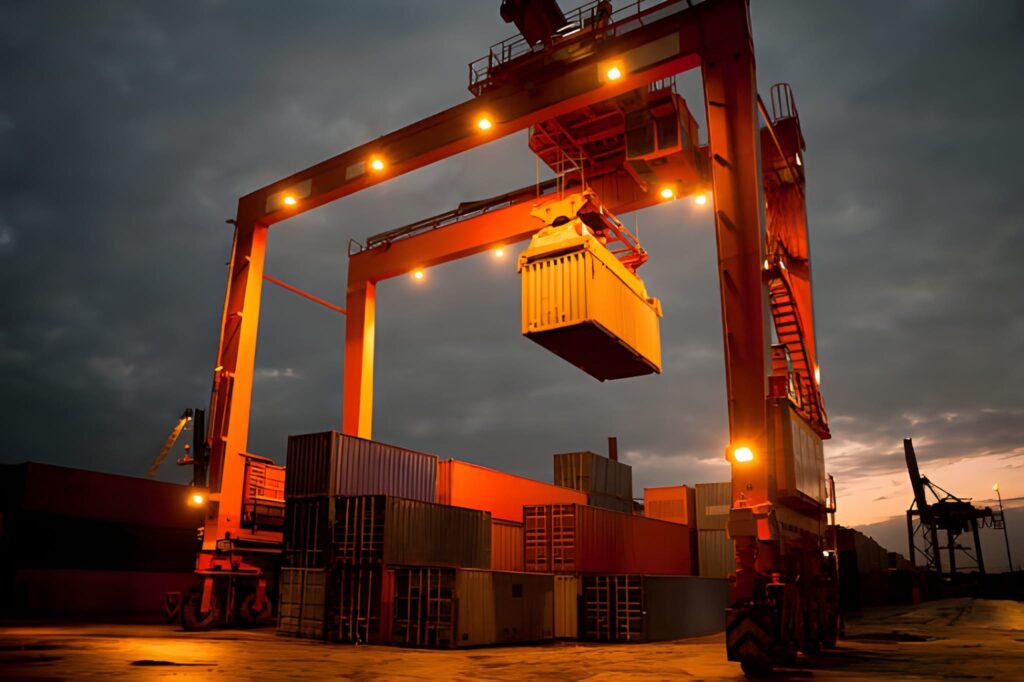

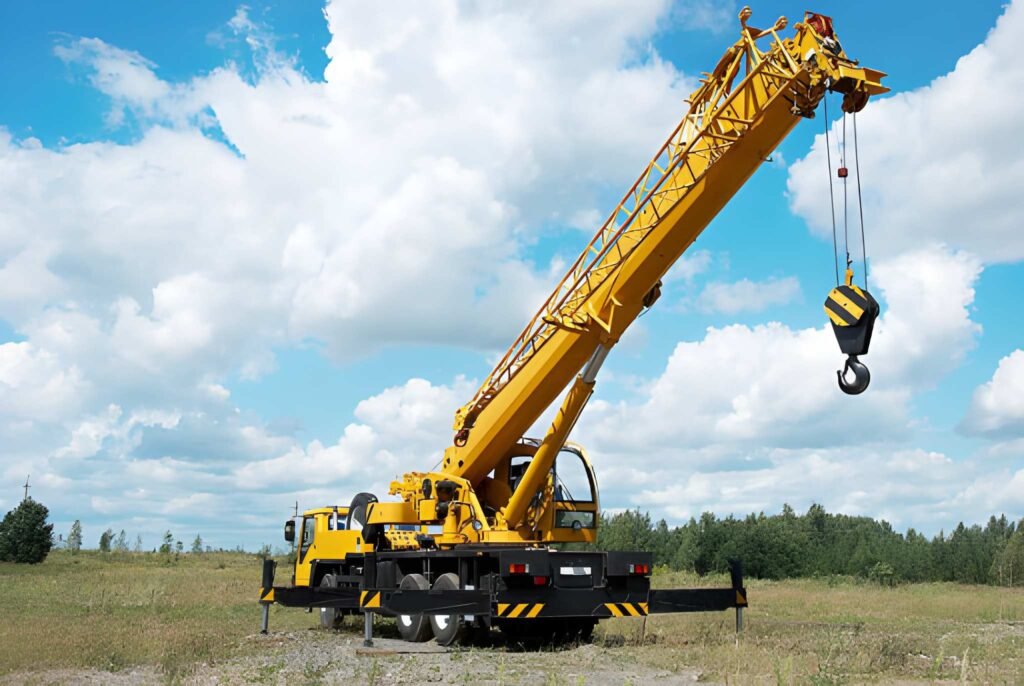
Some smaller or specialized cranes may not require a formal license depending on equipment size, lifting capacity, and work environment. However, operators must still be properly trained and competent to operate lifting equipment safely.
Crane operation is strictly regulated because of safety risks. Many people assume all cranes require a license, but this is not always true. Some smaller lifting equipment may be exempt depending on usage and capacity. Understanding which cranes require licensing helps businesses remain compliant and maintain safe operations.
What Is a Crane License?
A crane license is official approval allowing a person to legally and safely operate lifting equipment. Licensing ensures operators understand safety procedures, equipment limits, and workplace hazards. Requirements vary based on crane type and operational environment.
How Much Weight Can a Jib Crane Lift?
Types of Cranes That May Not Require a License
Some lifting equipment may not require formal licensing but still requires operator training and supervision.
- Mini cranes and compact lifting cranes
- Small portable floor cranes
- Overhead cranes used inside warehouses or industrial facilities
- Workshop lifting cranes used for maintenance tasks
- Equipment operating below certain lifting capacity limits
Licensing exemptions depend on safety regulations and employer policies.
What is the difference between a crane and a jib crane?
When Crane Licensing Is Usually Required
Licensing is typically required when operating large or high-risk lifting equipment, including:
- Mobile cranes
- Tower cranes
- Boom trucks
- Construction site lifting cranes
- High-capacity hoisting equipment
Construction environments usually follow stricter safety compliance standards.
How to Determine If a Crane Requires a License (Step-by-Step)
- Identify the crane type and lifting capacity
- Review workplace safety regulations and compliance standards
- Confirm training and competency requirements with equipment providers or safety authorities
- Ensure operators receive proper training even if licensing is not mandatory
- Maintain safety records and operational procedures
What’s the Difference Between a Jib and a Boom?
Why Operator Training Is Still Important
Even when a license is not legally required, trained operators help reduce accident risks, equipment damage, and workplace hazards. Employers are responsible for ensuring lifting equipment is operated safely and professionally.
Contact Dubai Cranes for Expert Lifting Equipment Guidance
If you need help selecting the right crane or understanding licensing and safety requirements, Dubai Cranes is here to support you. Our experienced team provides reliable crane rental solutions, safety guidance, and professional lifting support for projects of all sizes. Contact Dubai Cranes today to discuss your project needs and ensure safe, compliant, and efficient lifting operations.
FAQs (People Also Ask)
Do small cranes require a license?
Some small cranes may not require licensing depending on lifting capacity and work environment. However, safety training is still required.
Can anyone operate a mini crane?
No. Operators must receive training and demonstrate safe operating knowledge before using lifting equipment.
Are overhead cranes exempt from licensing?
Overhead cranes used inside industrial environments may not require licensing but still require proper operator training.
Do construction cranes always require licensing?
Most cranes used on construction sites require formal licensing and safety certification.
Who is responsible for crane safety?
Both employers and operators share responsibility for ensuring safe crane operation and regulatory compliance.
Author
Reviewed by: Lifting Equipment Specialists at Dubai Cranes
Last Updated
Last updated: February 2026