
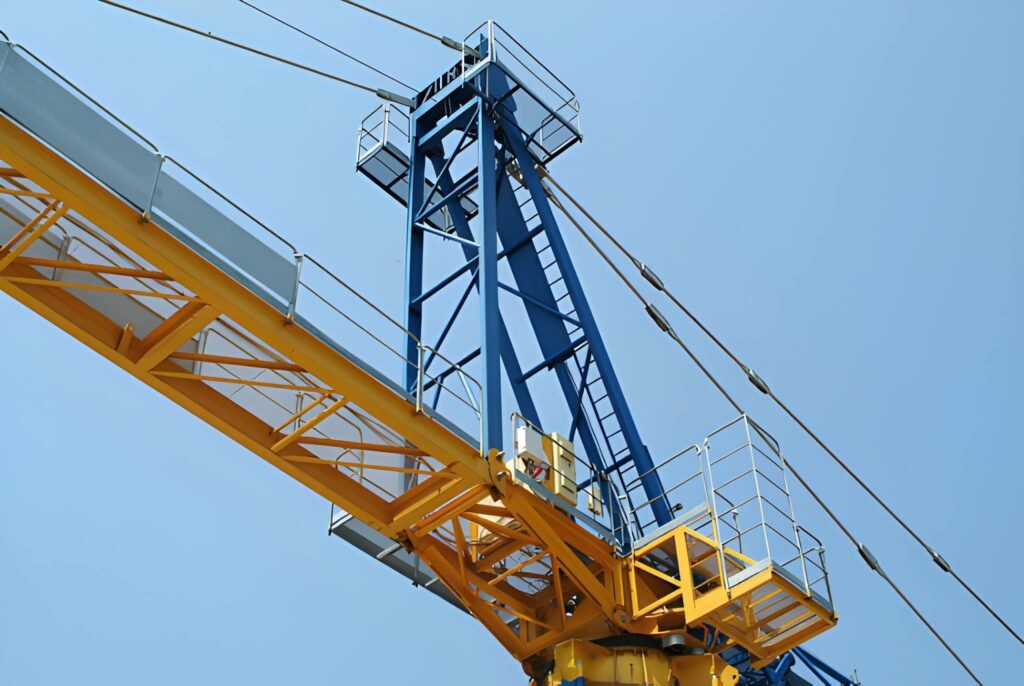
Choosing the right lifting equipment is essential for safety, efficiency, and productivity in industrial environments. This guide explains how much weight a jib crane can lift, with a focus on 5-ton free-standing jib cranes and hand chain hoists, including specifications, features, applications, and selection guidance.
Capacity, Span, Height, and Coverage Area
When selecting a jib crane or hand chain hoist from a Jib Cranes Supplier and Manufacturing Company in UAE, understanding the core specifications is critical:
- Capacity: A 5-ton rating (5,000 kg) is suitable for medium to heavy lifting tasks in manufacturing, maintenance, and warehousing.
- Span: The horizontal boom, commonly around 12 feet (3.66 meters), determines the crane’s reach. A qualified supplier can design custom spans to match specific site layouts.
- Height: The height under the boom, typically about 10 feet (3 meters), affects vertical lifting clearance and load movement.
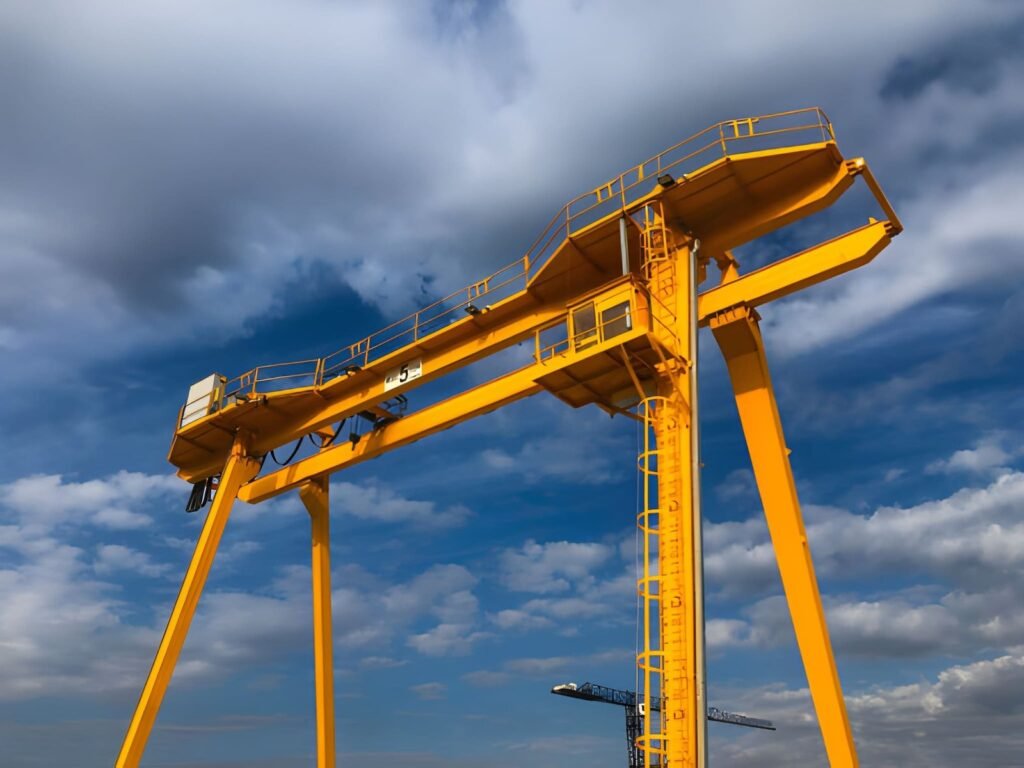
- Coverage Area: Free-standing jib cranes usually offer up to 240° of rotation, providing wide coverage in compact workspaces.
What’s the Difference Between a Jib and a Boom?
Free-Standing Jib Crane vs Hand Chain Hoist
The right choice depends on how and where the equipment will be used:
- Free-Standing Jib Cranes: Permanently floor-mounted systems designed for frequent use. They provide rotational movement and defined lifting zones.
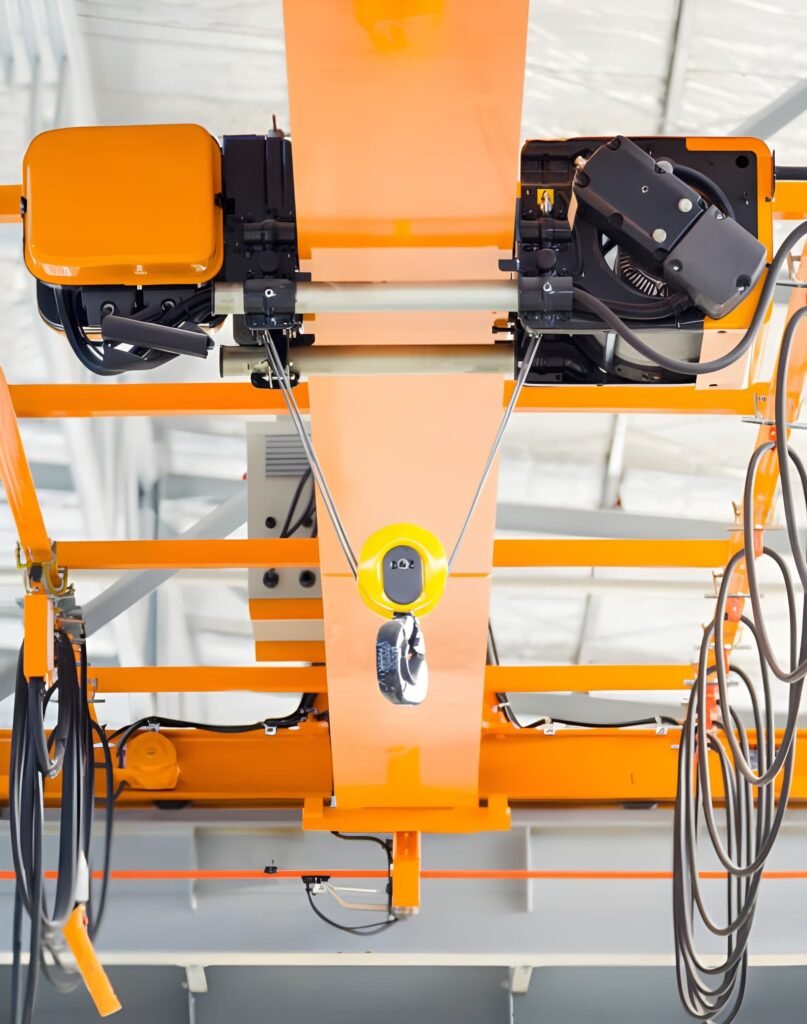
- Hand Chain Hoists: Manually operated devices for vertical lifting only. Often mounted on a beam or trolley, they are portable, cost-effective, and ideal where electrical power is unavailable or lifting is infrequent.
What is the difference between a crane and a jib crane?
Motorization Options
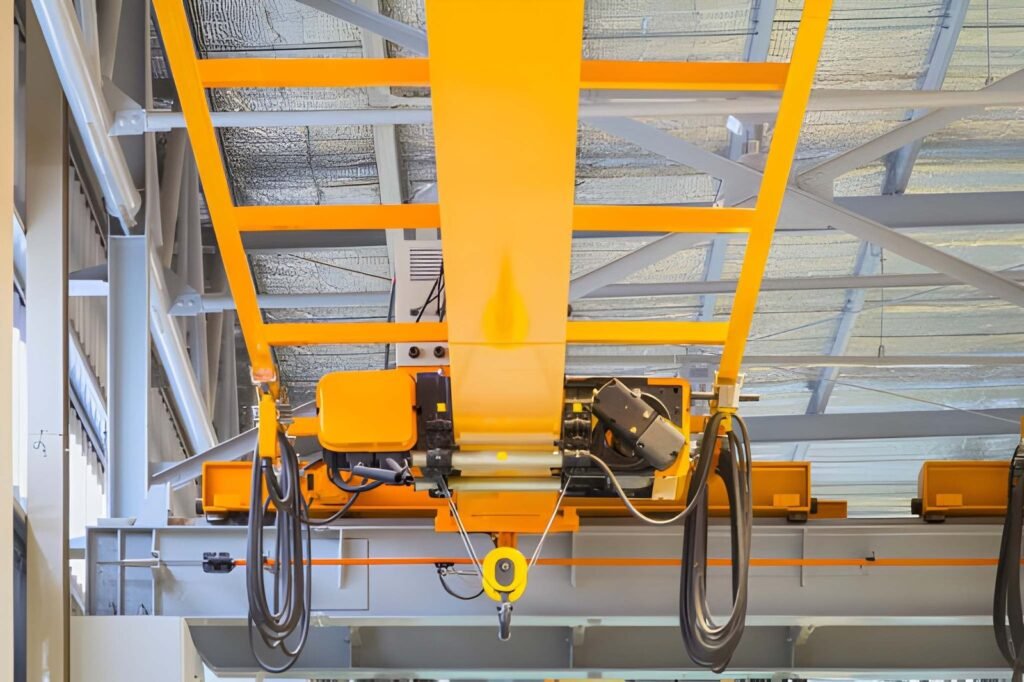
Most 5-ton hand chain hoists are manually operated, eliminating the need for electrical components. This makes them suitable for low-cycle or backup lifting applications. For higher usage rates, motorized hoists and powered trolleys are available to improve lifting speed and reduce operator fatigue.
Key Features and Benefits
- Durability: Built from high-strength steel for long service life
- Efficiency: Improves load handling while reducing manual effort
- Flexibility: Easily integrated into existing workflows and layouts
- Safety: Features such as mechanical brakes, overload protection, and secure anchoring reduce risk
What is a stage 3 crane operator?
Options and Accessories
Common accessories can expand functionality:
- Trolleys: Manual or motorized options for horizontal movement
- Rotation Stops: Prevent over-rotation and protect nearby equipment
- Festoon Systems: Manage power or air lines for motorized setups
- Custom Boom Lengths: Adjust reach for tight or extended work areas
Common Applications
5-ton jib cranes and hand chain hoists are widely used in:
- Manufacturing: Moving engines, molds, and large components
- Warehousing: Loading and unloading heavy pallets and crates
- Construction: Lifting steel sections and tools to work platforms
- Maintenance: Positioning motors, pumps, and machinery during repairs
What is the highest paid crane operator?
Load Capacity and Safe Operation Guidelines
Always ensure the crane’s rated capacity matches your lifting needs:
- Total Load Weight: Include hooks, slings, and lifting attachments
- Load Distribution: Center the load to avoid uneven stress on the boom
- Duty Cycle: For frequent lifting, select equipment rated for higher cycles
Exceeding rated capacity can result in equipment failure or serious injury. Regular inspections, load testing, and certification are strongly recommended.
Frequently Asked Question
What is the difference between a jib crane and an overhead crane?
A jib crane serves a fixed area with circular rotation, while an overhead crane spans a facility and moves loads along overhead rails.
Can a jib crane be installed outdoors?
Yes. Many free-standing jib cranes can be manufactured with weather-resistant coatings for outdoor use.
Are manual hand chain hoists safe for regular use?
Yes, when operated within rated capacity and maintained properly. For high-frequency lifting, motorized hoists are recommended.
What maintenance does a jib crane require?
Routine maintenance includes inspecting bolts, bearings, welds, and lubrication points, along with periodic load testing.
How do I choose the right hand chain hoist?
Consider load weight, lift height, frequency of use, clearance, and mounting method. Safety features should also be evaluated.