
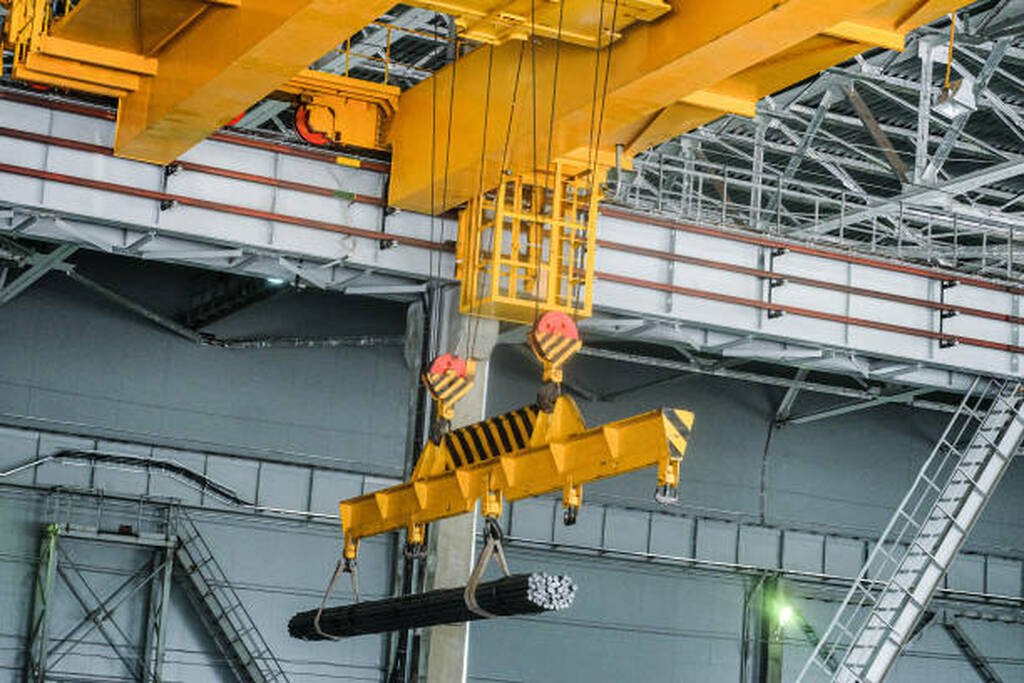
Jib cranes are a type of overhead lifting device widely used in industrial, construction, and logistics environments. They feature a horizontal arm—known as a jib or boom—that supports a hoist for lifting and moving loads within a defined area. Their simple design makes them ideal for repetitive lifting tasks where larger crane systems would be unnecessary or inefficient.
Jib cranes are especially useful in confined spaces, workstations, and production lines where controlled, localised lifting is required.
Jib Crane Parts and Components
A typical jib crane consists of several key components:
- Jib Arm (Boom): The horizontal beam that supports the hoist and enables lateral movement
- Pillar or Column: Provides vertical support; may be floor-mounted or wall-mounted
- Hoist: The lifting mechanism, available in manual or electric options
- Rotation Mechanism: Allows the jib arm to pivot, typically from 180° to 360°
- End Stops and Limiters: Maintain safe operating limits and prevent over-travel
What is the difference between a crane and a jib crane?
Types of Jib Cranes
Different jib crane designs suit different working environments:
- Free-Standing Jib Cranes: Floor-mounted with a concrete foundation, offering full 360° rotation
- Wall-Mounted Jib Cranes: Fixed to a wall or column, usually providing up to 200° rotation
- Wall-Travelling Jib Cranes: Run along a wall-mounted track to cover longer work areas
- Mast-Type Jib Cranes: Require no concrete foundation and rely on overhead structural support
Industry Names for a Jib Crane
Jib cranes may be referred to by different names depending on the industry or configuration, including:
- Pillar cranes
- Boom cranes
- Swing-arm cranes
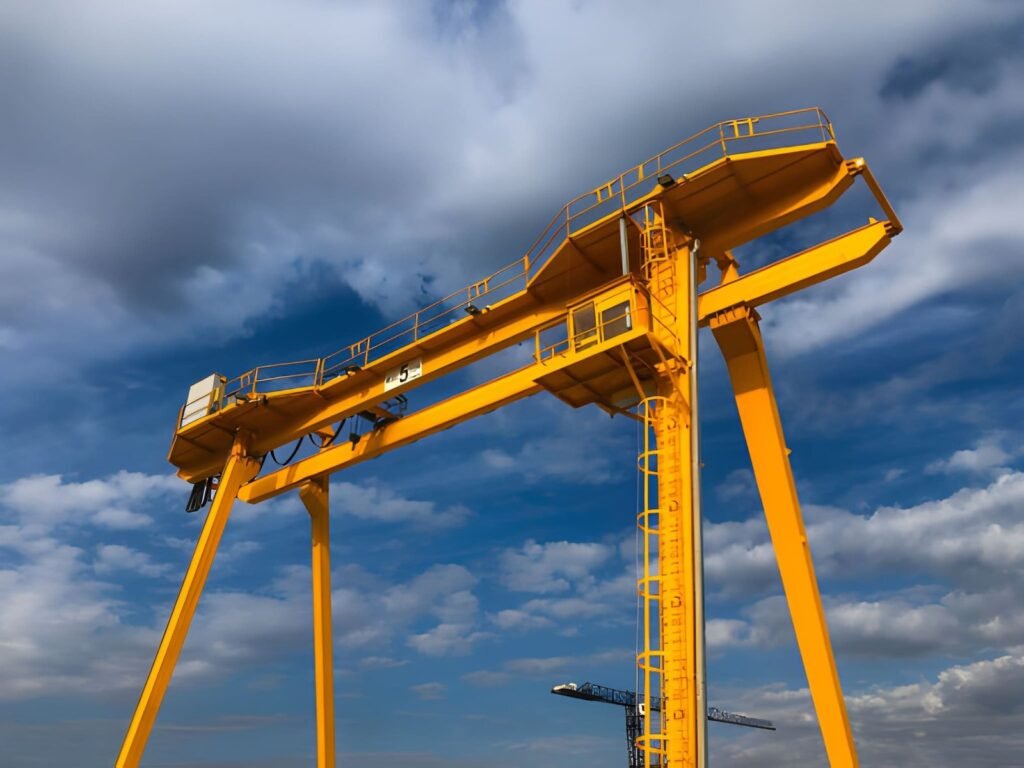
These terms usually describe the crane’s mounting style or rotational movement rather than a completely different lifting system. In industrial environments where larger spans or mobile lifting solutions are required, businesses may also consider a gantry crane in Dubai as an alternative. Gantry cranes are suited for heavier loads and wider coverage areas, while jib cranes remain ideal for localised and repetitive lifting tasks.
What is a stage 3 crane operator?
Uses and Applications of Jib Cranes
Jib cranes are highly versatile and used across many sectors, including:
- Manufacturing lines for moving components and tooling
- Warehouses for pallet handling and order picking
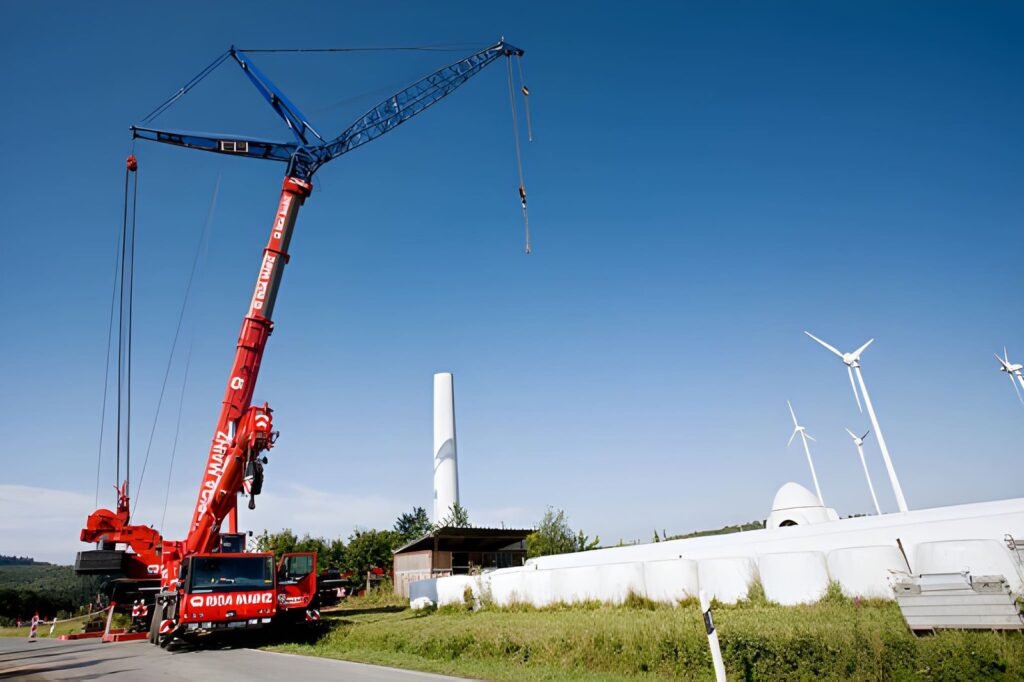
- Construction sites for loading materials and equipment
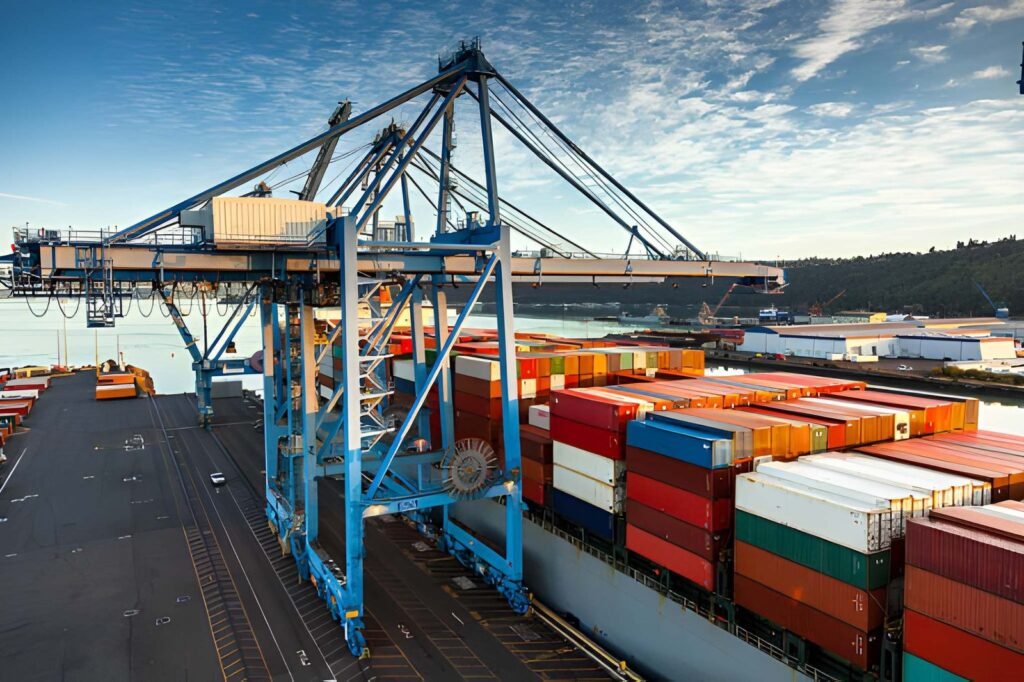
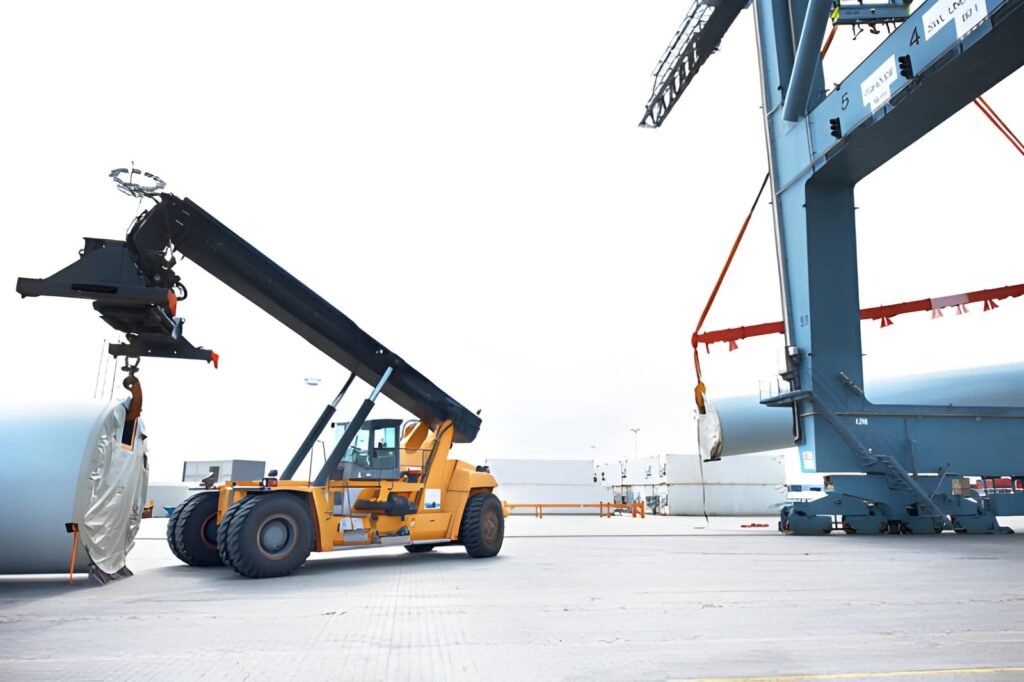
- Shipyards and ports for localised cargo handling
Advantages of Using Jib Cranes in Construction and Industrial Settings
Jib cranes provide practical benefits without adding unnecessary complexity to operations.
1. Increased Reach and Flexibility
Adjustable arm lengths and wide rotation angles allow operators to handle loads without repositioning equipment, improving workflow efficiency.
2. Wide Range of Movement
Depending on the model, jib cranes can rotate up to 360°, covering circular or semi-circular work zones with ease.
3. Compact Design
With a small footprint and minimal structural requirements, jib cranes are ideal for tight or crowded workspaces.
4. Cost-Effective Lifting Solution
Compared to larger crane systems, jib cranes are more affordable to purchase, install, and maintain.
5. Improved Operational Control
Smooth hoist operation and controlled movement allow precise load placement, reducing errors and material damage.
6. Better Safety and Ergonomics
By reducing manual handling, jib cranes help lower the risk of strain injuries and improve workplace safety.
7. Faster Loading and Unloading
Integrated hoists and easy positioning reduce downtime and speed up material handling processes.
8. Enhanced Precision
Many systems include variable speed controls and mechanical limiters for accurate lifting and positioning.
9. Adaptable Across Industries
Modular designs allow jib cranes to be customised for different capacities, environments, and applications.
10. Increased Productivity and Profitability
Greater efficiency, reduced labour strain, and lower downtime translate into long-term cost savings.
What is the highest paid crane operator?
A Low-Disruption Way to Introduce Automation
Installing a jib crane does not require major layout changes or costly system overhauls. It is a practical automation upgrade that can be integrated quickly with minimal disruption and fast return on investment.
A Scalable Approach to Smarter Material Handling
Rather than committing to full automation at once, jib cranes offer a step-by-step solution. Businesses can gradually build more advanced systems over time without excessive cost or downtime.
Supporting Trench Safety and Site Efficiency
In construction environments, jib cranes can support the safe handling of trench equipment by reducing reliance on manual lifting and large machinery. Proper lifting integration improves both safety and deployment efficiency.
Reliable Performance for Long-Term Use
Well-designed jib cranes are built with durable materials, safety-rated components, and smooth rotation systems. When properly installed and maintained, they provide dependable performance over many years of operation.
What is the Difference Between an EOT Crane and a Gantry Crane?
Choosing the Right Jib Crane for Your Facility
Selecting the correct system depends on factors such as load weight, available space, rotation requirements, and usage frequency. A professional assessment ensures the crane is correctly matched to your operational needs.
Could Your Operation Benefit from a Jib Crane?
If your workflow involves repetitive lifting, inefficient material handling, or manual strain, a jib crane could significantly improve safety and productivity. Evaluating your workspace is the first step toward a more efficient lifting solution.
Ready to Improve Your Lifting Efficiency?
If you are looking to enhance safety, boost productivity, and streamline material handling, Dubai Cranes can help. Our team offers expert guidance to help you choose the right jib crane for your workspace, load requirements, and operational goals. From consultation to installation, we ensure reliable, compliant, and cost-effective lifting solutions tailored to your facility. Contact Dubai Cranes today to discuss your requirements and take the next step towards smarter, safer operations.
Frequently Asked Question
What is the difference between a crane and a jib crane?
A crane is often a large, complex lifting system covering wide areas, while a jib crane is a smaller, localised lifting solution designed for specific work zones.
How is jib crane lifting capacity calculated?
Capacity depends on boom length, load weight, structural support, and rotational forces. Always follow approved load charts and installation guidelines.
Can jib cranes be used outdoors?
Yes. With suitable coatings and weather-resistant materials, jib cranes can operate outdoors in construction sites and loading areas.
Are jib cranes easy to maintain?
Yes. Routine inspections of fasteners, bearings, and hoists are usually sufficient to maintain safe operation.
Which industries benefit most from jib cranes?
Manufacturing, warehousing, automotive, construction, logistics, and utilities all benefit from safer and more efficient material handling.