
Crane hooks are essential lifting components used to connect loads to cranes and hoists. Different hook types are designed for specific lifting applications, load capacities, and safety requirements.
A crane hook is a critical part of any lifting system. It connects the load to the crane or hoist and helps ensure safe material handling. Crane hooks are available in various designs, each suited to specific lifting tasks. Understanding the different types of crane hooks helps improve safety, efficiency, and load control during lifting operations.
What Is a Crane Hook?
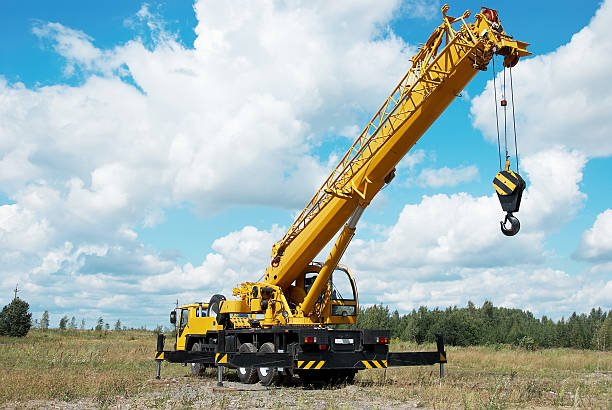
A crane hook is a high-strength steel component used to attach loads to lifting equipment. It is designed to support heavy loads while maintaining stability and safety during lifting operations. Whether used on an overhead crane, mobile crane, or Gantry Crane in Dubai, selecting the correct hook is essential for safe and efficient material handling.
How Much Weight Can a Jib Crane Lift?
Crane Hook Classifications
According to Shape
- Single Hook – Used for light to medium lifting operations.
- Double or Ramshorn Hook – Suitable for heavy loads and improved load distribution.
- Closed and Semi-Closed Hooks – Offer additional protection against load slippage.
What is the difference between a crane and a jib crane?
According to the Manufacturing Method
- Forged Hooks – Manufactured from forged steel for high strength and durability.
- Built-Up Hooks – Assembled from multiple components and used for very high-capacity lifting.
Types of Crane Hooks
Eye Hooks
Eye hooks feature a circular opening for connecting slings or lifting devices. They are commonly used in general lifting applications.
Clevis Hooks
Clevis hooks use a pin connection that allows quick attachment and removal. They are ideal for temporary rigging tasks.
Shank Hooks
Shank hooks are solid hooks commonly installed in lifting fixtures and overhead cranes. They offer excellent strength and reliability.
Swivel and Rotating Hooks
These hooks rotate during lifting operations to reduce twisting and improve load positioning.
Self-Closing and Self-Locking Hooks
- Automatically close when engaged.
- Prevent accidental load release.
- Improve lifting safety.
Foundry Hooks
Foundry hooks feature an open throat design for handling molten metal containers and irregular loads.
What’s the Difference Between a Jib and a Boom?
Grab Hooks
Grab hooks are commonly used with chain slings and allow chain length adjustments during lifting.
Sorting, J, and S Hooks
These specialised hooks are designed for material-handling and quick-attachment applications.
Weld-On Hooks
Weld-on hooks are permanently attached to lifting equipment or fabricated structures to provide fixed lifting points.
Synthetic Sling Hooks
These hooks are designed to work with synthetic slings and help prevent sling damage.
Automatic Hooks
Automatic hooks use mechanical or magnetic locking systems to improve efficiency and reduce manual handling.
How to Select the Right Crane Hook
Step 1: Determine the Load Weight
Ensure the hook’s Safe Working Load (SWL) exceeds the maximum load requirement.
Step 2: Assess the Lifting Environment
Consider factors such as heat, chemicals, moisture, and abrasion.
Step 3: Check Compatibility
Confirm the hook works with the chains, wire ropes, or synthetic slings being used.
Step 4: Evaluate Safety Features
Choose self-locking or automatic hooks where additional safety is required.
Step 5: Review Maintenance Requirements
Select hooks that can be easily inspected and maintained.
What Is a Crane Hook Block?
A crane hook block combines a lifting hook with pulleys or sheaves. This arrangement provides mechanical advantage and allows cranes to lift heavier loads more efficiently.
Crane Hook Safety and Maintenance
- Inspect hooks before use.
- Check for cracks, wear, or deformation.
- Remove hooks from service if the throat opening increases by more than 5%.
- Lubricate moving parts regularly.
- Maintain inspection records for compliance and safety.
Conclusion
Crane hooks are vital components in lifting operations. Selecting the correct hook type improves load control, operational efficiency, and workplace safety. Regular inspection and proper maintenance help extend equipment life and reduce lifting risks.
Need Expert Crane Solutions in Dubai?
Choosing the correct crane hook is essential for safe and efficient lifting operations. At Dubai Cranes, we provide professional lifting equipment solutions, crane rentals, inspections, and expert guidance for construction, industrial, and heavy-lifting projects. Contact our team today to find the right equipment for your lifting requirements and ensure maximum safety on site.
FAQs
What is the difference between a single and a double crane hook?
A single hook is typically used for lighter loads, while a double or ramshorn hook distributes weight more evenly and is suitable for heavy-duty lifting.
How often should crane hooks be inspected?
Crane hooks should be visually inspected before use and undergo scheduled inspections according to workplace regulations.
What causes a crane hook to fail?
Common causes include overloading, metal fatigue, corrosion, excessive wear, and improper rigging practices.
Can a bent crane hook be repaired?
No. A bent or deformed crane hook should be replaced immediately because repairs can weaken its structural integrity.
What is the Safe Working Load?
The Safe Working Load is the maximum load a crane hook can safely lift under normal operating conditions without compromising safety.