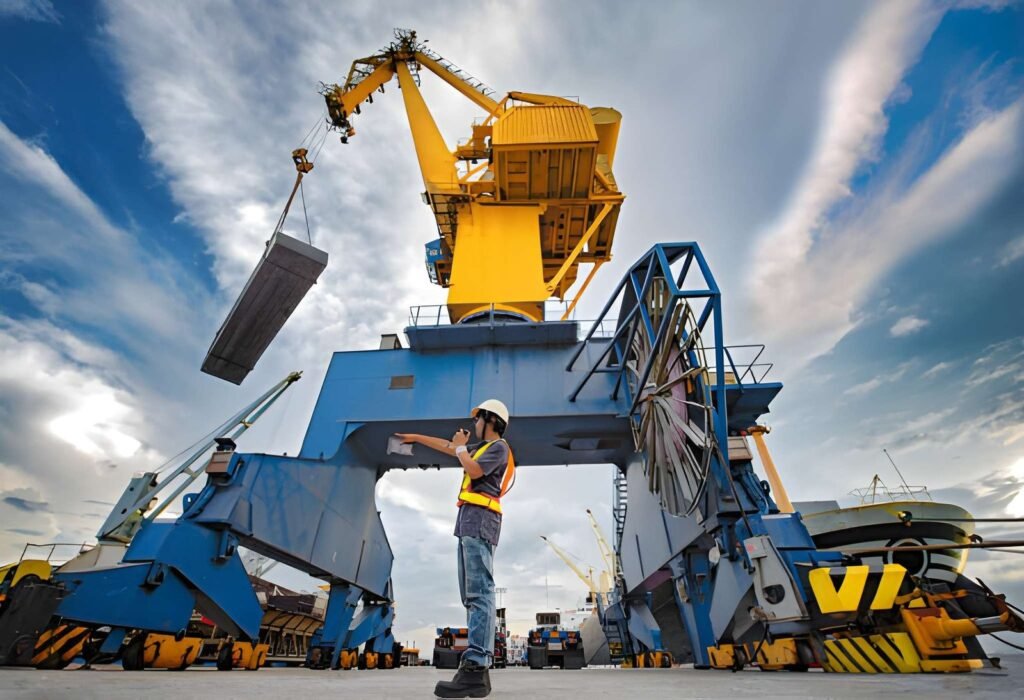

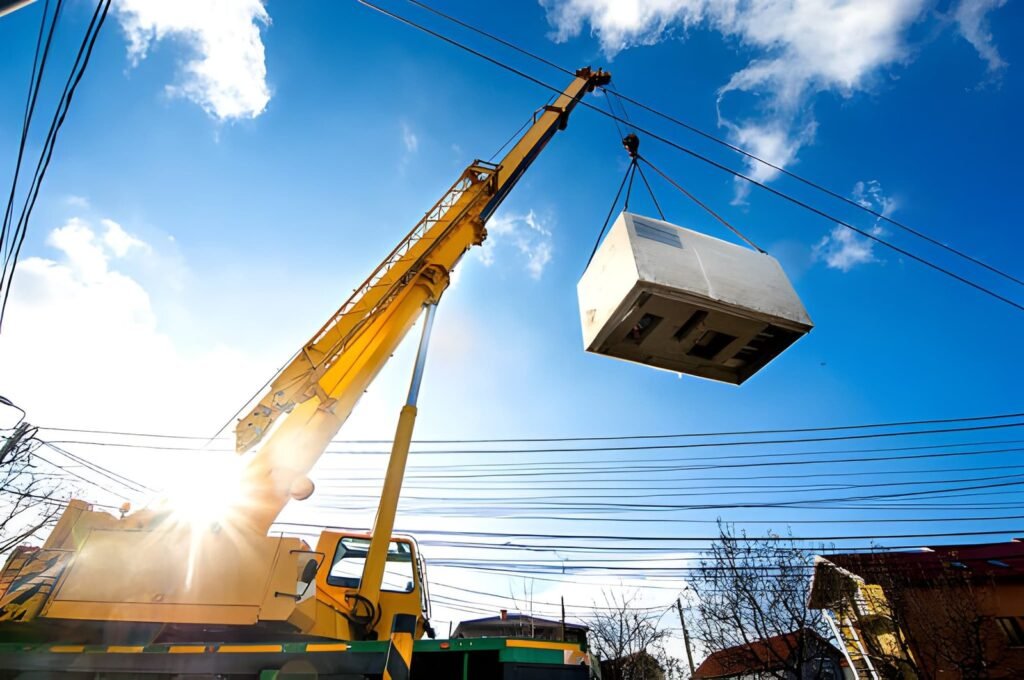
Heavy lifting requires more than a powerful crane. Every successful lift depends on careful planning, proper setup, experienced operators, and advanced engineering. Whether lifting steel beams on a construction site or moving industrial equipment, maintaining crane stability is essential to protect workers, equipment, and surrounding structures.
Modern cranes use a combination of counterweights, outriggers, hydraulic systems, load monitoring technology, and precise lifting techniques to remain stable throughout every operation. Understanding these principles helps project managers choose the right equipment and ensures every lift is completed safely and efficiently.
Why Crane Stability Is So Important
Crane stability is the foundation of every lifting operation. Even the most advanced crane can become unstable if it is overloaded, positioned incorrectly, or operated on unsuitable ground.
A stable crane helps to:
- Prevent tipping accidents
- Protect workers and nearby structures
- Improve lifting accuracy
- Reduce equipment damage
- Ensure compliance with safety regulations
- Increase productivity on site
Professional lifting companies always perform detailed planning before any heavy lift begins.
How Much Weight Can a Jib Crane Lift?
What Factors Affect Crane Stability?
Several factors determine whether a crane remains stable during lifting operations.
Load Weight
Knowing the exact weight of the load is essential. Operators must never estimate weight. Incorrect calculations can overload the crane and increase the risk of instability.
Modern lifting projects often use load charts and digital monitoring systems to confirm safe lifting capacity.
Load Centre of Gravity
Every load has its own centre of gravity. If this point is not identified correctly, the load can swing, rotate, or become unbalanced during lifting.
Proper rigging ensures the weight is evenly distributed throughout the lift.
Ground Conditions
The crane is only as stable as the surface beneath it.
Before lifting begins, engineers inspect the site for:
- Soft ground
- Uneven surfaces
- Underground services
- Slopes
- Waterlogged soil
Ground mats or crane pads are often installed to spread the crane’s weight safely.
What is the difference between a crane and a jib crane?
Weather Conditions
Strong winds can significantly affect crane stability, especially when lifting large objects with a wide surface area.
Operators continuously monitor:
- Wind speed
- Rain
- Visibility
- Storm conditions
Lifting operations stop immediately if weather conditions become unsafe.
How Outriggers Improve Crane Stability
Outriggers are one of the most important safety features on mobile cranes.
They extend from both sides of the crane to create a much wider and stronger base.
Benefits include:
- Better weight distribution
- Reduced ground pressure
- Increased lifting capacity
- Improved balance during heavy lifts
- Greater stability on uneven ground
Before lifting begins, every outrigger is levelled and fully secured.
The Role of Counterweights
Counterweights balance the load being lifted.
These heavy steel weights are installed at the rear of the crane to prevent it from tipping forward during operation.
The correct counterweight depends on:
- Crane model
- Boom length
- Lift radius
- Load weight
- Working angle
Using incorrect counterweights can create serious safety risks.
Hydraulic Systems Help Maintain Control
Modern cranes rely on powerful hydraulic systems to produce smooth and controlled lifting movements.
Hydraulics allow operators to:
- Lift heavy loads gradually
- Position materials accurately
- Prevent sudden movements
- Reduce load swing
- Maintain consistent lifting pressure
Smooth hydraulic control plays a major role in maintaining stability throughout the lifting process.
Load Charts Guide Every Lift
Every crane manufacturer provides load charts that specify the crane’s safe lifting capacity under different conditions.
Load charts consider:
- Boom length
- Boom angle
- Working radius
- Counterweight configuration
- Outrigger position
Operators must follow these charts exactly before lifting begins.
Ignoring load charts can lead to dangerous overload conditions.
Safe Rigging Techniques
Rigging connects the crane to the load.
Correct rigging helps maintain balance and prevents unexpected movement.
Common rigging equipment includes:
- Wire rope slings
- Chain slings
- Synthetic slings
- Shackles
- Hooks
- Spreader bars
- Lifting beams
Professional riggers inspect every component before use.
Electronic Safety Systems
Modern cranes are equipped with advanced safety technology that continuously monitors lifting operations.
These systems include:
Load Moment Indicators (LMI)
LMIs calculate lifting capacity in real time and warn operators before overload conditions occur.
Anti-Two Block Systems
These prevent the crane hook from striking the boom tip, reducing equipment damage.
Wind Monitoring Sensors
Some cranes automatically measure wind speed and alert operators when conditions become unsafe.
Boom Angle Indicators
These display the boom position to help operators stay within safe operating limits.
Site Planning Before Heavy Lifting
Successful heavy lifting starts long before the crane arrives.
Engineers carefully assess:
- Lift weight
- Crane selection
- Ground bearing capacity
- Access routes
- Lift radius
- Nearby buildings
- Overhead power lines
- Underground utilities
Detailed lift plans reduce risks and improve efficiency.
Operator Training Makes the Difference
Technology supports safe lifting, but experienced operators remain the most important part of every successful lift.
Qualified operators understand:
- Crane limitations
- Load dynamics
- Weather conditions
- Emergency procedures
- Communication protocols
- Site hazards
Regular training helps maintain high safety standards across every project.
Communication During Lifting Operations
Heavy lifting requires clear communication between everyone involved.
The lifting team typically includes:
- Crane operator
- Lift supervisor
- Banksman
- Signal person
- Riggers
- Site manager
Standard hand signals and two-way radios help ensure every movement is coordinated safely.
Routine Crane Inspections
Regular inspections help identify potential issues before they become serious problems.
Daily inspections typically include:
- Hydraulic hoses
- Wire ropes
- Hooks
- Brakes
- Tyres or crawler tracks
- Outriggers
- Safety devices
- Control systems
Preventive maintenance reduces downtime and improves operational reliability.
Industries That Depend on Stable Crane Operations
Crane stability is essential across numerous industries, including:
- Construction
- Oil and gas
- Marine and shipping
- Manufacturing
- Infrastructure projects
- Renewable energy
- Heavy engineering
- Mining
Each industry requires different lifting techniques, but the principles of stability remain the same.
Common Mistakes That Reduce Crane Stability
Even small mistakes can create significant safety risks.
Examples include:
- Overloading the crane
- Incorrect outrigger deployment
- Poor ground preparation
- Ignoring wind conditions
- Improper rigging
- Inaccurate load calculations
- Lack of communication
- Skipping equipment inspections
Avoiding these mistakes greatly improves lifting safety.
Why Professional Crane Planning Matters
Heavy lifting should never rely on guesswork.
Professional planning ensures:
- Correct crane selection
- Safe lifting procedures
- Proper equipment configuration
- Regulatory compliance
- Reduced project delays
- Improved worker safety
Experienced lifting specialists help projects run smoothly while minimising operational risks.
Professional Heavy Lifting Services Across Dubai
At Dubai Cranes, we provide reliable crane hire and heavy lifting solutions for construction, industrial, infrastructure, marine, and engineering projects across the UAE. Our experienced operators, certified lifting teams, and modern fleet ensure every lift is completed safely, efficiently, and in full compliance with industry standards.
Whether you require mobile cranes, crawler cranes, heavy lifting support, or complete lifting project management, Dubai Cranes delivers dependable solutions tailored to your project requirements.
Contact Dubai Cranes today to discuss your heavy lifting needs and receive expert guidance from our experienced team.
Conclusion
Maintaining crane stability during heavy lifting requires careful planning, accurate calculations, skilled operators, and advanced lifting equipment. From outriggers and counterweights to hydraulic systems and electronic monitoring, every component plays an important role in ensuring safe and efficient operations.
By following industry best practices and working with experienced lifting professionals, businesses can complete complex lifting projects with confidence while protecting workers, equipment, and project timelines.
Frequently Asked Questions
How do cranes stay stable while lifting heavy loads?
Cranes maintain stability using outriggers, counterweights, hydraulic systems, proper rigging, and accurate load calculations to balance the load throughout the lifting operation.
Why are outriggers important during crane operations?
Outriggers widen the crane’s base, distribute weight evenly, and significantly reduce the risk of tipping during heavy lifting.
What happens if a crane exceeds its lifting capacity?
Exceeding the rated lifting capacity can make the crane unstable, potentially causing structural damage, equipment failure, or overturning.
How do operators know if a lift is safe?
Operators use manufacturer load charts, lift plans, weather assessments, and onboard safety systems such as Load Moment Indicators to verify safe lifting conditions.
Can strong winds affect crane stability?
Yes. High winds can cause suspended loads to swing and place additional stress on the crane. Lifting operations should stop whenever wind speeds exceed safe operating limits.