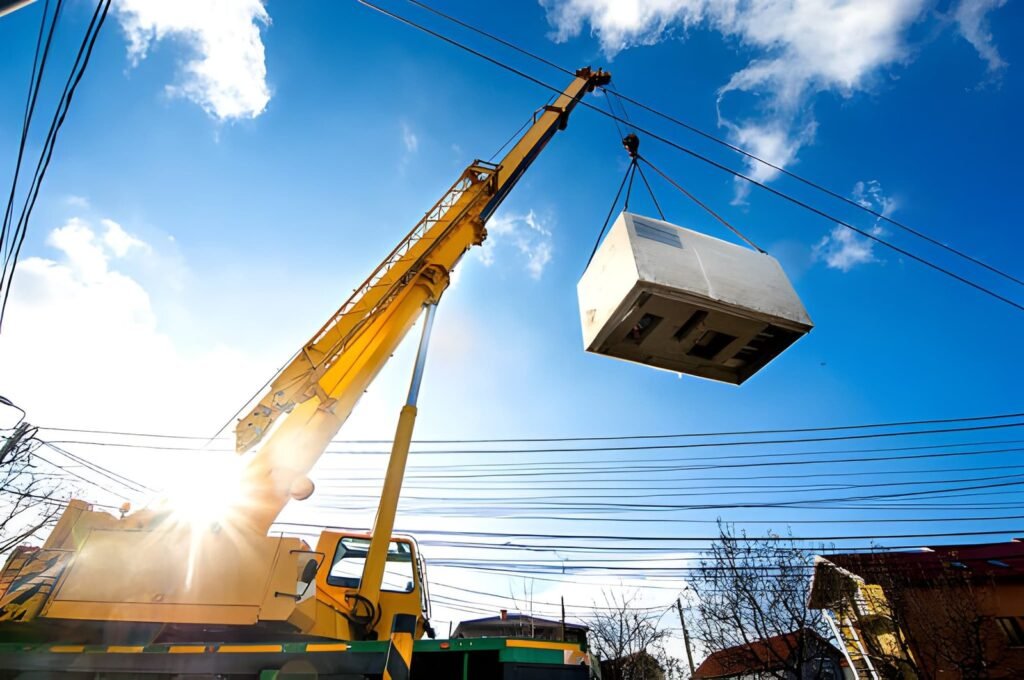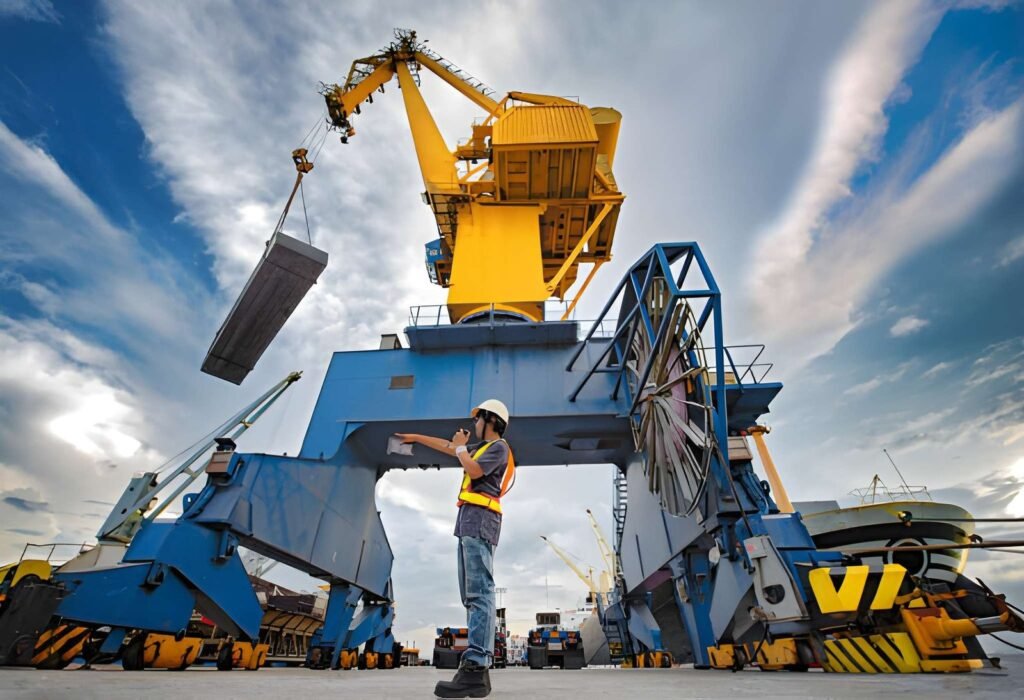


Crane operators communicate safely during lifts using a combination of standard hand signals, two-way radios, pre-lift briefings, and clear communication protocols. Effective communication reduces the risk of accidents, improves coordination, and ensures safe lifting operations on construction and industrial sites.
Safe crane operations depend on more than just equipment and lifting plans. Clear communication between crane operators, signalers, riggers, and ground crews is essential for preventing accidents and maintaining control throughout a lift. Whether using hand signals or radio communication, every team member must understand and follow established procedures.
Why Is Communication Important During Crane Lifts?
Communication helps coordinate every stage of a lifting operation. This is particularly important during Gantry crane operations in Dubai, where heavy loads must be moved accurately and safely across construction sites, warehouses, ports, and industrial facilities.
Key Benefits
- Improves site safety
- Reduces lifting errors
- Prevents misunderstandings
- Enhances team coordination
- Supports regulatory compliance
Without clear communication, even a routine lift can become hazardous.
How Much Weight Can a Jib Crane Lift?
What Communication Methods Do Crane Operators Use?
Crane operators typically rely on multiple communication methods.
Common Communication Systems
- Standard hand signals
- Two-way radios
- Headset communication systems
- Signal persons (banksmen)
- Visual indicators and alarms
Using more than one communication method creates backup systems if one fails.
How Do Hand Signals Help During Lifts?
Hand signals are a universal means of communication used when operators and signalers can see each other.
Common Hand Signals
- Hoist up
- Hoist down
- Stop
- Emergency stop
- Swing left
- Swing right
- Boom up
- Boom down
Every lifting team should use standardised signals to avoid confusion.
What is the difference between a crane and a jib crane?
How Are Radios Used During Crane Operations?
Two-way radios allow communication when visibility is restricted or distances are too great for hand signals.
Benefits of Radio Communication
- Instant communication
- Clear instructions
- Better coordination across large sites
- Improved response during emergencies
- Continuous contact throughout the lift
Radio communication is especially important during complex or critical lifts.
What Happens Before a Lift Begins?
Step-by-Step Communication Process
- Conduct a pre-lift briefing.
- Review the lifting plan.
- Assign roles and responsibilities.
- Confirm communication methods.
- Test all radios and equipment.
- Review emergency procedures.
- Begin lifting only after confirmation from all team members.
Pre-lift planning helps ensure everyone understands the operation before it starts.
What’s the Difference Between a Jib and a Boom?
Why Are Critical Lifts Different?
Critical lifts involve higher risks due to factors such as:
- Heavy loads
- Restricted working areas
- Multiple cranes
- Complex rigging configurations
- Proximity to structures or utilities
Communication Requirements for Critical Lifts
- Dedicated radio channels
- Continuous communication
- Detailed lift plans
- Additional supervision
- Frequent status updates
Precise communication is essential throughout the entire operation.
What Features Should Crane Communication Equipment Have?
Essential Radio Features
- Loud and clear audio
- Noise-cancelling microphones
- Rugged construction
- Long-range coverage
- Hands-free capability
- Long battery life
Reliable equipment helps maintain communication even in challenging environments.
Best Practices for Safe Crane Communication
Follow These Guidelines
- Use clear and concise language.
- Avoid unnecessary radio chatter.
- Repeat important instructions.
- Confirm received messages.
- Conduct communication checks before every shift.
- Use dedicated channels for lifting operations.
- Stop the lift immediately if communication is lost.
Consistent communication procedures help minimise risks and improve safety.
What Should Happen If Communication Is Lost?
Loss of communication is considered a serious safety concern.
Immediate Actions
- Stop the lift immediately.
- Secure the load.
- Re-establish communication.
- Verify instructions.
- Resume operations only when communication is restored.
No lift should continue without reliable communication between all key personnel.
How Does Good Communication Improve Site Safety?
Effective communication allows teams to:
- Identify hazards quickly
- Respond to changing conditions
- Prevent collisions
- Control load movement accurately
- Improve overall productivity
Strong communication practices contribute to safer and more efficient lifting operations.
Contact Dubai Cranes for Safe Lifting Solutions
At Dubai Cranes, we understand that safe lifting operations depend on proper planning, reliable equipment, and effective communication. Whether you require crane hire, lifting equipment, or expert advice on safe lifting procedures, our experienced team can help. Contact Dubai Cranes today to discuss your project requirements and find the right lifting solution for your site.
Frequently Asked Questions
Who communicates directly with the crane operator during a lift?
Typically, a designated signal person or banksman communicates directly with the crane operator to avoid conflicting instructions.
Are hand signals still required when radios are used?
Yes. Hand signals remain an important backup communication method and are often used when visibility allows.
What is a critical lift?
A critical lift involves higher risks due to load weight, complexity, environmental conditions, or nearby hazards and requires enhanced planning and communication.
Why are dedicated radio channels important?
Dedicated channels reduce interference and ensure lifting instructions remain clear and uninterrupted.
What should happen if radio communication fails?
The lift should stop immediately until communication is fully restored and all team members understand the next steps.
Author: Lifting & Safety Specialists, Dubai Cranes
Last Updated: June 2026