
Hydraulic cranes use pressurised fluid to lift and move loads, while cable-operated cranes rely on wire ropes, drums, and mechanical systems. Hydraulic cranes offer greater mobility and smoother control, whereas cable-operated cranes excel in heavy-duty, long-duration lifting operations.
Hydraulic and cable-operated cranes are among the most widely used lifting systems in construction, manufacturing, shipping, and infrastructure projects. While both perform the same basic function, their operating mechanisms, capabilities, and ideal applications differ significantly. Understanding these differences can help businesses choose the right crane for safety, efficiency, and cost-effectiveness.
What Is a Hydraulic Crane?
A hydraulic crane uses pressurised hydraulic fluid to generate a lifting force. The system operates through hydraulic cylinders and pistons that convert fluid pressure into mechanical movement. This technology enables smooth, controlled lifting and is widely used across the construction, logistics, and industrial sectors. As a trusted Jib Cranes Supplier and manufacturer in Dubai, companies often integrate hydraulic systems into modern lifting equipment because they offer excellent manoeuvrability, precision, and efficiency for a wide range of material-handling applications.
How Much Weight Can a Jib Crane Lift?
Key Features of Hydraulic Cranes
- Powered by hydraulic pumps and cylinders
- Smooth and precise load control
- Faster setup and operation
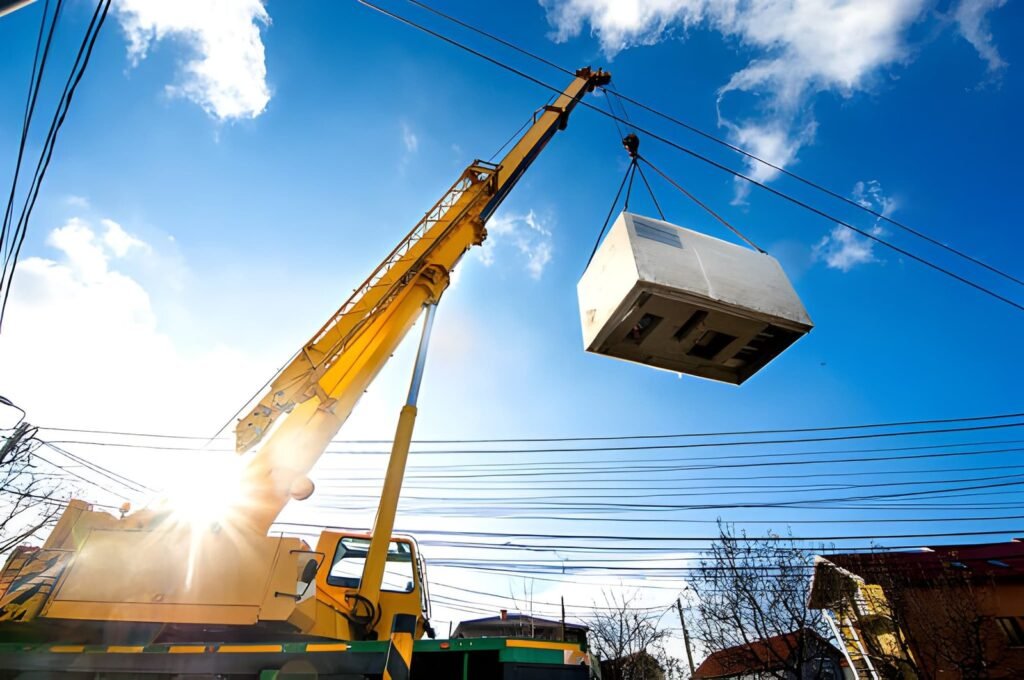
- Commonly mounted on trucks and mobile platforms
- Suitable for construction and urban projects
Hydraulic cranes are popular because they can lift heavy loads while remaining relatively compact and easy to manoeuvre.
What Is a Cable-Operated Crane?
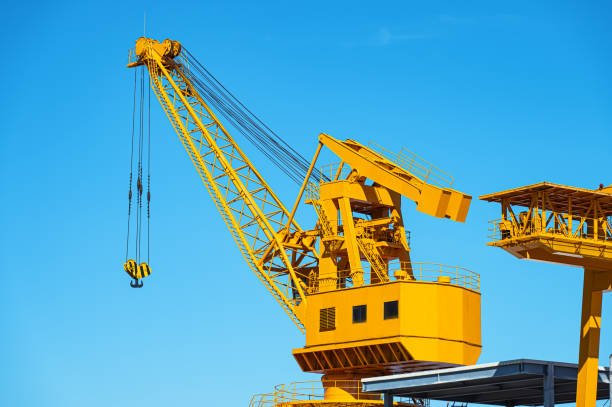
A cable-operated crane, sometimes called a mechanical crane, uses wire ropes, pulleys, drums, and gears to lift and lower loads. The lifting force is generated mechanically rather than hydraulically.
Key Features of Cable-Operated Cranes
- Uses steel cables and hoisting drums
- Designed for continuous heavy-duty lifting
- Excellent for high-capacity applications
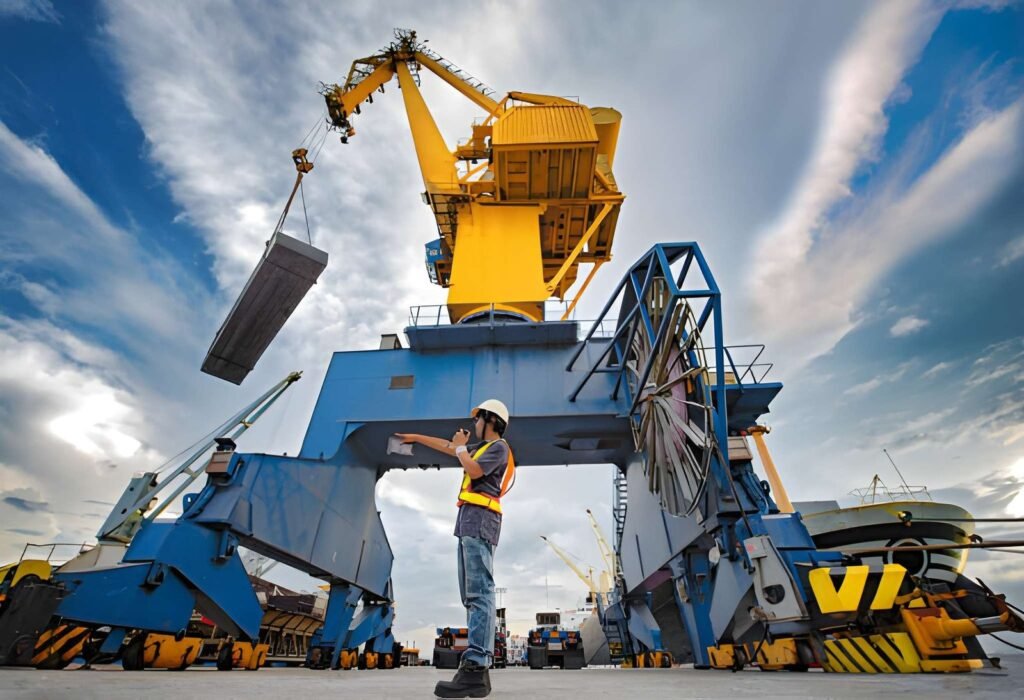
- Common in ports, shipyards, and industrial facilities
- Durable for long-term operations
These cranes are known for their strength and reliability in demanding industrial environments.
What is the difference between a crane and a jib crane?
Hydraulic vs Cable-Operated Cranes
1. Lifting Mechanism
Hydraulic Cranes
- Use hydraulic fluid pressure
- Lift loads through cylinders and pistons
- Offer smoother movement
Cable-Operated Cranes
- Use wire ropes and pulley systems
- Lift loads through mechanical force
- Provide excellent load endurance
2. Mobility
Hydraulic cranes are generally more mobile and can be quickly transported between job sites. Many truck-mounted and mobile crane models rely on hydraulic systems.
Cable-operated cranes are usually installed in fixed locations or large industrial environments where mobility is less important.
What’s the Difference Between a Jib and a Boom?
3. Control and Precision
Hydraulic systems provide precise movement and responsive controls. Operators can make fine adjustments with ease.
Cable-operated cranes deliver reliable lifting performance but may require more operator input during complex lifting operations.
4. Maintenance Requirements
Hydraulic cranes require:
- Hydraulic fluid inspections
- Seal replacement
- Leak monitoring
- Pressure system maintenance
Cable-operated cranes require:
- Wire rope inspections
- Drum maintenance
- Pulley checks
- Gear and brake servicing
5. Best Applications
Hydraulic Cranes
Ideal for:
- Construction projects
- Infrastructure work
- Equipment installation
- Mobile lifting requirements
- Urban developments
Cable-Operated Cranes
Ideal for:
- Ports and terminals
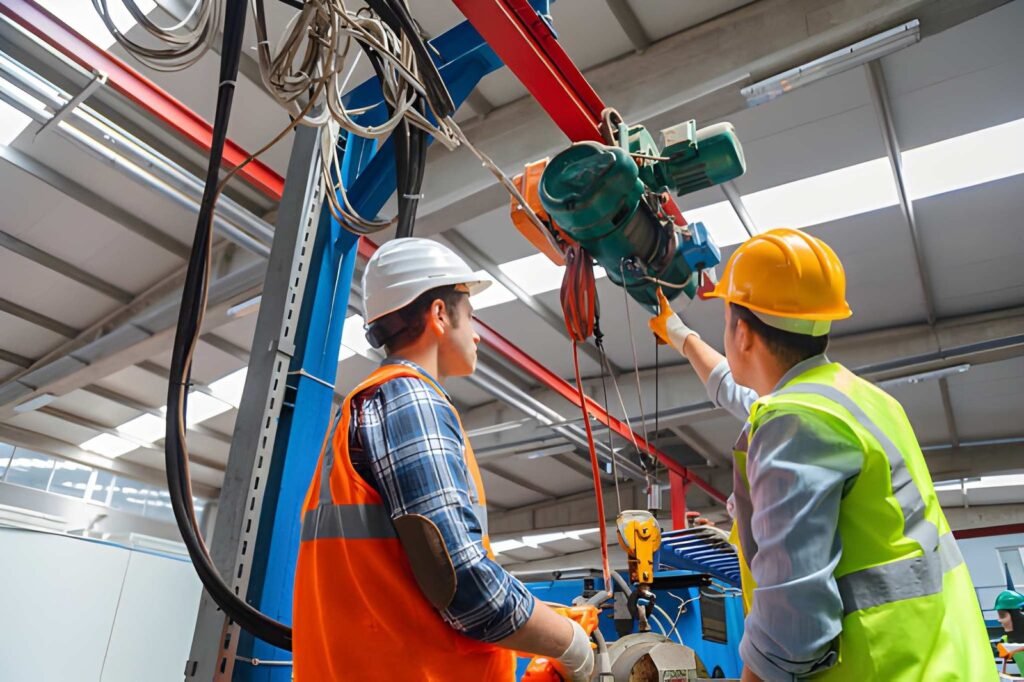
- Manufacturing plants
- Shipyards
- Mining operations
- Continuous heavy lifting
Advantages of Hydraulic Cranes
- Faster deployment
- Easier operation
- Excellent mobility
- Compact design
- Smooth lifting performance
Advantages of Cable-Operated Cranes
- High lifting capacity
- Strong durability
- Long operating cycles
- Reliable heavy-duty performance
- Lower dependency on hydraulic components
Which Crane Should You Choose?
Consider these factors:
- Required lifting capacity
- Project duration
- Site accessibility
- Mobility requirements
- Maintenance resources
- Budget considerations
For mobile construction projects, hydraulic cranes are often the preferred solution. For permanent industrial facilities that require repetitive heavy lifting, cable-operated cranes may offer better long-term value.
Why Professional Crane Selection Matters
Choosing the wrong crane can lead to delays, increased costs, and safety risks. A professional assessment ensures the equipment matches your project requirements, load specifications, and operational environment.
Need Expert Crane Solutions in the UAE?
Contact Dubai Cranes Today
Whether you need hydraulic cranes, cable-operated cranes, gantry cranes, or specialised lifting equipment, Dubai Cranes provides reliable solutions for construction, industrial, and infrastructure projects across the UAE. Our experienced team can help you select the right crane system for maximum safety, efficiency, and performance. Contact Dubai Cranes today to discuss your lifting requirements and receive expert guidance.
FAQs
Which is stronger: a hydraulic crane or a cable-operated crane?
Both can lift heavy loads, but cable-operated cranes are often preferred for continuous heavy-duty industrial lifting, while hydraulic cranes excel in mobile applications.
Are hydraulic cranes safer than cable-operated cranes?
Both are safe when properly maintained and operated. Modern cranes include advanced safety systems to prevent overloads and operational hazards.
Which crane is better for construction sites?
Hydraulic cranes are generally better suited to construction sites because of their mobility, quick setup, and precise control.
Do cable-operated cranes require more maintenance?
They require regular inspection of cables, drums, and mechanical components, while hydraulic cranes require monitoring of fluid systems and seals.
Can hydraulic cranes handle heavy industrial lifting?
Yes. Modern hydraulic cranes can lift substantial loads and are widely used across construction, oil and gas, and industrial sectors.