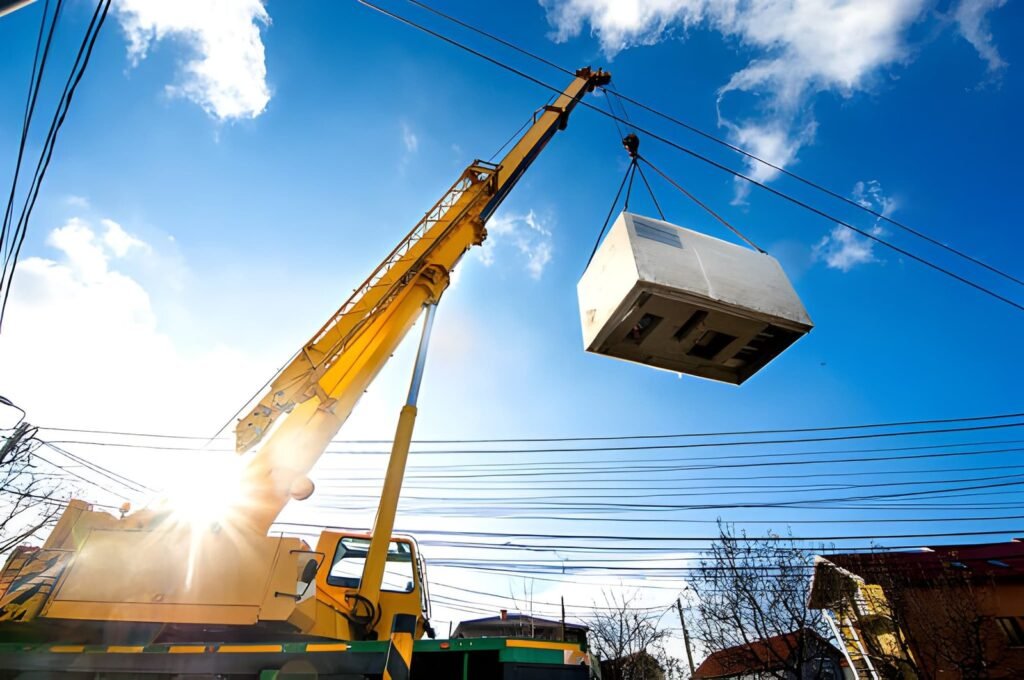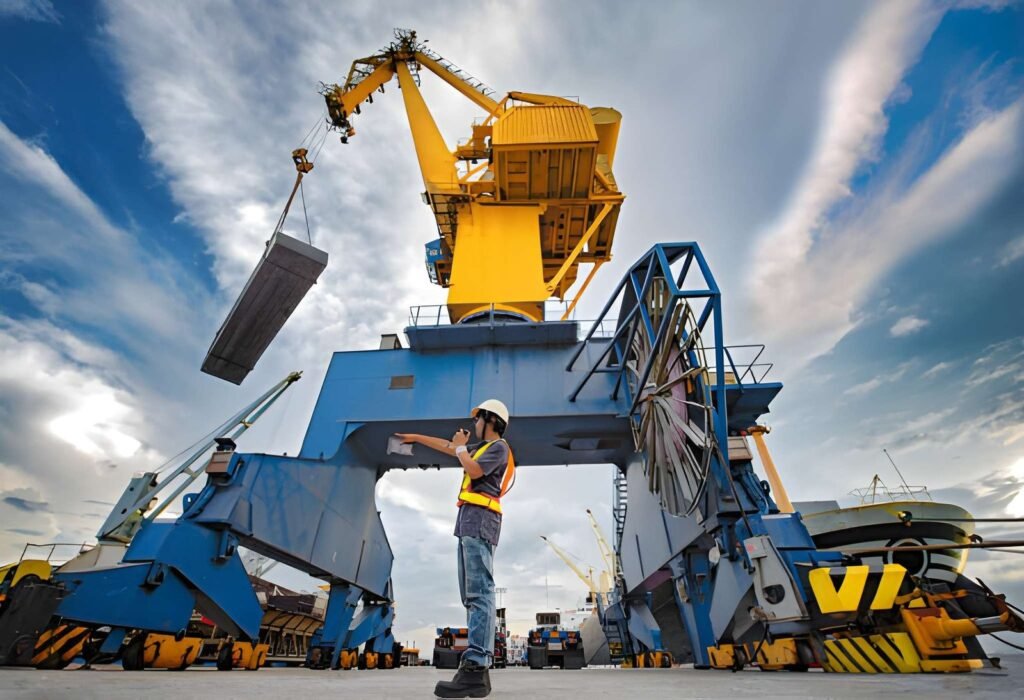


Rigging equipment plays a critical role in every crane operation. It is the system that connects the crane to the load and ensures that heavy materials are lifted, moved, and placed safely and accurately. Without proper rigging, even the most advanced crane cannot operate safely or efficiently.
From construction sites to shipyards and manufacturing plants, rigging is what makes heavy lifting possible. It improves load stability, distributes weight correctly, and reduces the risk of accidents during lifting operations.
Understanding Rigging in Crane Operations
Rigging refers to all the equipment and techniques used to secure a load to a crane for lifting. This includes everything from slings and shackles to hooks, spreader bars, and load monitoring devices.
The main purpose of rigging is simple:
- Secure the load properly
- Balance weight during lifting
- Control movement while lifting and lowering
- Prevent damage to equipment and materials
A well-planned rigging setup ensures the crane operates within safe limits and performs lifts smoothly.
How Much Weight Can a Jib Crane Lift?
Why Rigging Equipment Is So Important
Rigging is not just an accessory to crane operations—it is essential for safety and performance.
Poor rigging can lead to:
- Load imbalance
- Equipment failure
- Dropped loads
- Serious workplace injuries
Good rigging, on the other hand, ensures:
- Safe lifting operations
- Better control of heavy loads
- Increased productivity
- Reduced operational risks
In short, rigging is the foundation of safe crane use.
Understanding Load Weight and Balance
Before any lift, rigging teams must understand the load’s weight, shape, and centre of gravity. This determines how the load should be attached and lifted.
If the load is not balanced correctly:
- It may swing during lifting
- Stress may be placed on one rigging point
- The crane may become unstable
Correct load assessment ensures even weight distribution and prevents dangerous lifting conditions.
What is the difference between a crane and a jib crane?
Key Types of Rigging Equipment
Different rigging components work together to create a safe lifting system.
Slings
Slings connect the crane hook to the load. They are available in:
- Wire rope slings (high strength and durability)
- Chain slings (heavy-duty lifting)
- Synthetic slings (flexible and lightweight)
Each type is selected based on load weight and surface sensitivity.
Shackles and Hooks
Shackles and hooks act as connecting points between lifting gear and loads.
- Shackles secure lifting chains and slings
- Hooks often include safety latches to prevent slipping
They are essential for maintaining secure connections during lifting.
Hoists and Winches
Hoists lift loads vertically with precision, while winches control horizontal movement.
- Electric hoists are used for consistent lifting
- Hydraulic systems are used for heavy-duty operations
- Winches help in pulling or positioning loads
These tools improve control during complex lifting tasks.
Spreader Bars and Rigging Frames
Spreader bars distribute weight evenly across multiple lifting points. This prevents:
- Load bending
- Structural damage
- Uneven pressure on rigging points
They are especially useful for long or fragile loads.
Load Monitoring Devices
Modern rigging systems often include digital load monitoring tools. These devices:
- Measure real-time load weight
- Prevent overloading
- Improve safety compliance
- Enhance operational accuracy
They are especially important in high-risk lifting environments.
How Rigging Improves Safety and Efficiency
Proper rigging significantly improves crane operation outcomes. It helps:
- Reduce lifting time
- Improve load control
- Minimise manual handling risks
- Prevent equipment damage
- Increase job site efficiency
Trained rigging professionals ensure every lift is planned and executed safely.
Best Safety Practices in Rigging Operations
Safety is the most important part of any lifting operation. Key practices include:
- Inspect all rigging equipment before use
- Never exceed load capacity limits
- Use correct sling angles
- Avoid shock loading
- Ensure clear communication between crew members
- Follow certified safety standards and procedures
Regular inspection and maintenance of rigging equipment are also essential to prevent failures.
Conclusion
Rigging equipment is the backbone of safe crane operations. It ensures loads are lifted with precision, balance, and control. From slings and shackles to advanced load monitoring systems, every component plays a vital role in reducing risk and improving efficiency.
Without proper rigging, crane operations would be unsafe and unreliable. With it, industries can handle even the heaviest loads with confidence and precision.
Reliable Lifting Solutions with Dubai Cranes
When it comes to safe, efficient, and high-performance lifting operations, having the right equipment makes all the difference. At Dubai Cranes, we provide advanced crane solutions and heavy lifting equipment designed to meet the demands of construction, manufacturing, logistics, and industrial projects across the UAE. From jib cranes to overhead systems and customised lifting solutions, our equipment ensures maximum safety, precision, and productivity on every job site.
Whether you are managing a large-scale infrastructure project or need dependable lifting support for daily operations, our expert team is ready to assist you with tailored solutions that match your requirements.
FAQs
1. What is rigging in crane operations?
Rigging refers to the equipment and methods used to secure and control loads during crane lifting operations.
2. Why is rigging important for safety?
It ensures loads are balanced and securely attached, preventing accidents and equipment failure.
3. What are the most common rigging tools?
Slings, shackles, hooks, hoists, spreader bars, and load monitoring devices are commonly used.
4. Who is responsible for rigging a crane load?
Certified riggers or trained lifting professionals are responsible for preparing and securing loads.
5. How often should rigging equipment be inspected?
Rigging equipment should be inspected before every use and undergo regular detailed safety checks.