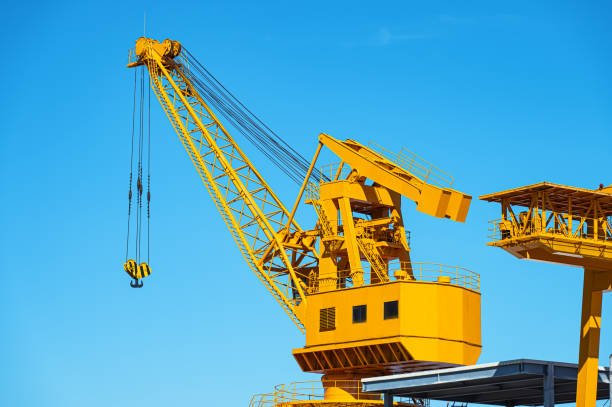

Dismantling a large crane after a project is a highly technical and carefully controlled process. It requires expert planning, skilled rigging teams, and strict safety procedures to ensure the crane is taken apart safely and efficiently. Because cranes are large, complex structures, every step must be carried out in a precise sequence to prevent instability, damage, or workplace hazards.
The process also focuses on recycling and reusing materials wherever possible, supporting environmental sustainability and reducing industrial waste.
Why Cranes Need to Be Dismantled
Cranes are designed for heavy-duty lifting and long-term industrial use, but they eventually need to be removed from a site. Whether supplied by a trusted Gantry Crane Manufacturer in Dubai or used for large-scale operations, cranes are dismantled for several important reasons, including:
- Project completion and relocation requirements
- Equipment upgrades or replacement with newer systems
- Structural wear, ageing, or maintenance concerns
- Safety inspections and compliance requirements
- Site redevelopment or preparation for new work
Once a crane reaches the end of its purpose on a project, professional dismantling ensures the area remains safe, organised, and ready for future operations.
How Much Weight Can a Jib Crane Lift?
Key Stages of Crane Dismantling
The dismantling of a large crane follows a structured step-by-step process. Each stage is designed to maintain stability while safely removing components.
1. Planning and Risk Assessment
Every dismantling project begins with detailed planning. Engineers assess:
- Crane type and height
- Load capacities
- Site conditions
- Nearby structures and hazards
A full method statement and risk assessment are created to ensure all safety requirements are met before work begins.
2. Site Preparation and Safety Setup
Before dismantling starts, the site is secured:
- Safety exclusion zones are established
- Warning signage and barriers are installed
- Access routes are cleared
- Emergency procedures are confirmed
Only trained personnel are allowed within the controlled area.
What is the difference between a crane and a jib crane?
3. Disconnecting Power and Systems
All energy sources are safely shut down before dismantling begins. This includes:
- Electrical systems
- Hydraulic systems
- Mechanical power units
Hydraulic fluids are drained safely, and electrical connections are isolated to eliminate risks such as shocks, leaks, or system failures.
4. Top-Down Dismantling Method
Cranes are dismantled in reverse order of installation, starting from the top.
Typical sequence includes:
- Removing the jib (horizontal arm)
- Detaching counterweights
- Lowering the trolley system
- Removing mast sections one by one
This controlled top-down approach ensures stability throughout the process.
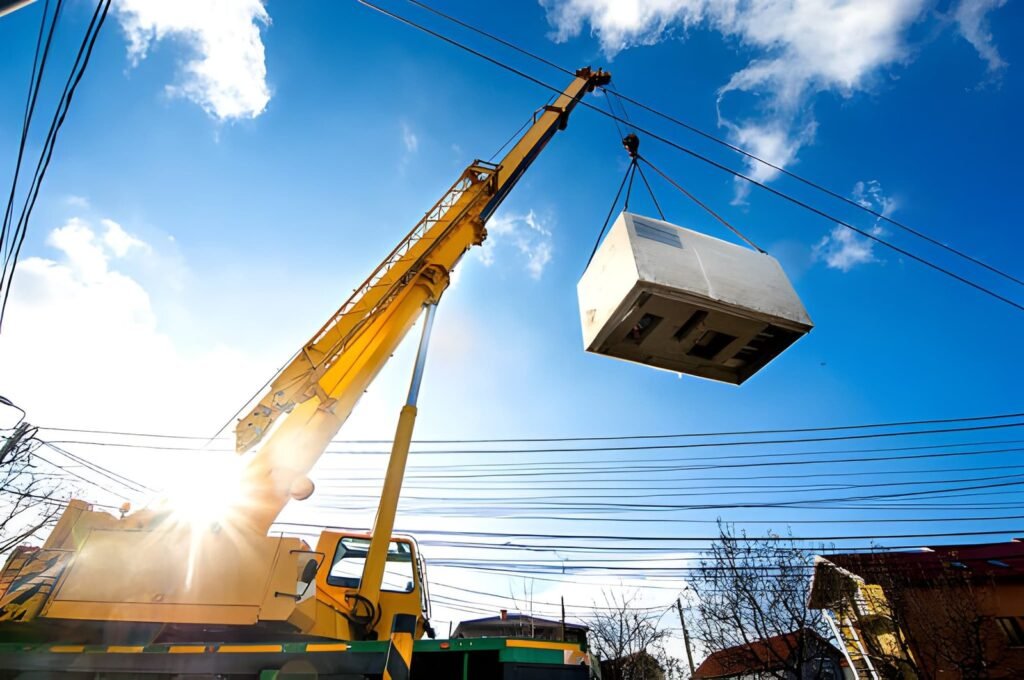
5. Use of Auxiliary Cranes and Rigging Systems
A secondary crane is often used to support dismantling. Rigging equipment such as:
- Slings
- Shackles
- Spreader bars
- Hoists
helps control each lift safely and prevents sudden movement during lowering operations.
6. Controlled Lowering of Components
Each section of the crane is carefully lowered to the ground. This step requires:
- Precise coordination between operators
- Constant communication
- Monitoring of wind and weather conditions
Even minor misalignment can create hazards, so accuracy is essential.
7. Dismantling the Tower and Base
Once upper sections are removed, the tower mast is dismantled piece by piece. Finally, the base structure is removed, completing the physical dismantling process.
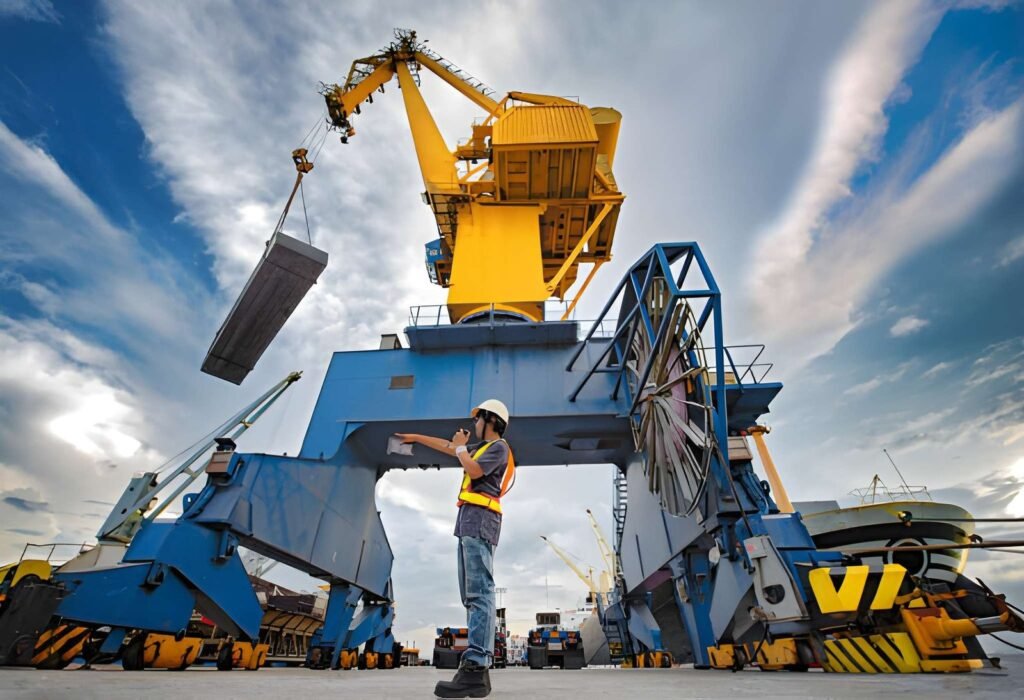
Heavy lifting equipment ensures that each section is safely lowered without damaging surrounding infrastructure.
8. Sorting and Recycling Materials
After dismantling, materials are separated for processing:
- Steel components are recycled into new construction materials
- Copper wiring is recovered for electrical reuse
- Hydraulic parts are cleaned or disposed of safely
- Electronic systems are processed as industrial waste
This step supports sustainability and reduces environmental impact.
9. Site Cleanup and Final Inspection
The final stage involves:
- Removing debris and leftover materials
- Checking for oil or fluid contamination
- Restoring the site to safe condition
- Completing compliance documentation
The area is then cleared for future use or redevelopment.
Safety Measures During Crane Dismantling
Safety is the most important aspect of crane dismantling. Key precautions include:
- Use of certified rigging equipment
- Trained and licensed operators only
- Strict exclusion zones
- Regular equipment inspections
- Continuous communication between teams
- Monitoring weather conditions
These measures help prevent accidents and ensure smooth execution.
Environmental Benefits of Crane Dismantling and Recycling
Responsible dismantling reduces environmental impact by:
- Recycling steel and metal components
- Reducing landfill waste
- Lowering demand for raw material extraction
- Preventing oil and hydraulic contamination
- Supporting circular economy practices
This makes crane recycling an important part of sustainable construction practices.
Conclusion
Dismantling a large crane is a complex, multi-stage process that requires careful planning, technical expertise, and strict safety control. From initial preparation to final recycling, every step is designed to ensure safety, efficiency, and environmental responsibility.
When handled by professionals, crane dismantling not only removes heavy equipment safely but also contributes to sustainable resource management through effective recycling.
Get Expert Crane Dismantling Support with Dubai Cranes
Planning to dismantle or remove a large crane after completing your project? Dubai Cranes provides reliable crane solutions with professional support, safe handling, and efficient equipment management. Our experienced team ensures every dismantling process is carried out with proper planning, safety procedures, and industry standards.
Contact Dubai Cranes today to discuss your crane dismantling requirements and get expert assistance for your next project.
FAQs
1. How long does crane dismantling take?
It usually takes several days to a few weeks depending on crane size, location, and complexity.
2. Can crane parts be reused after dismantling?
Yes, many steel and mechanical components can be refurbished or recycled for future use.
3. Is crane dismantling dangerous?
It can be high-risk, which is why only trained professionals using strict safety procedures should carry it out.
4. What equipment is used during dismantling?
Auxiliary cranes, slings, shackles, and spreader bars are commonly used for safe lifting and lowering.
5. Why is crane recycling important?
It reduces environmental impact, saves resources, and supports sustainable industrial practices.