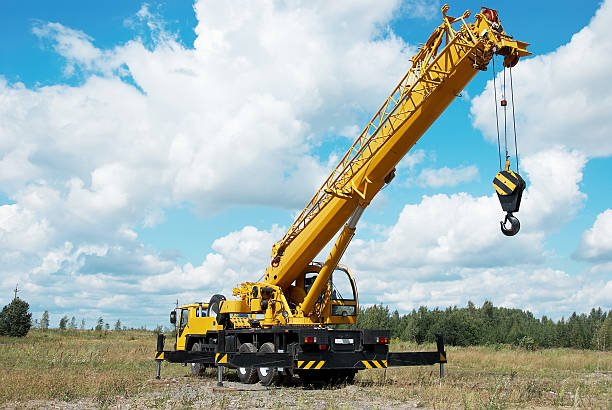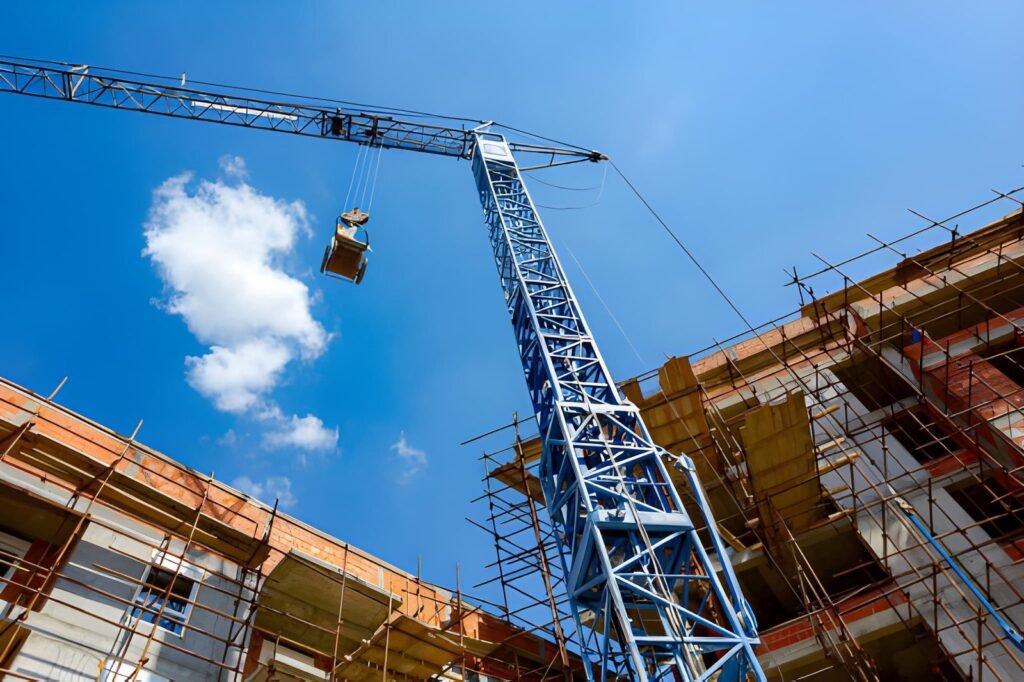

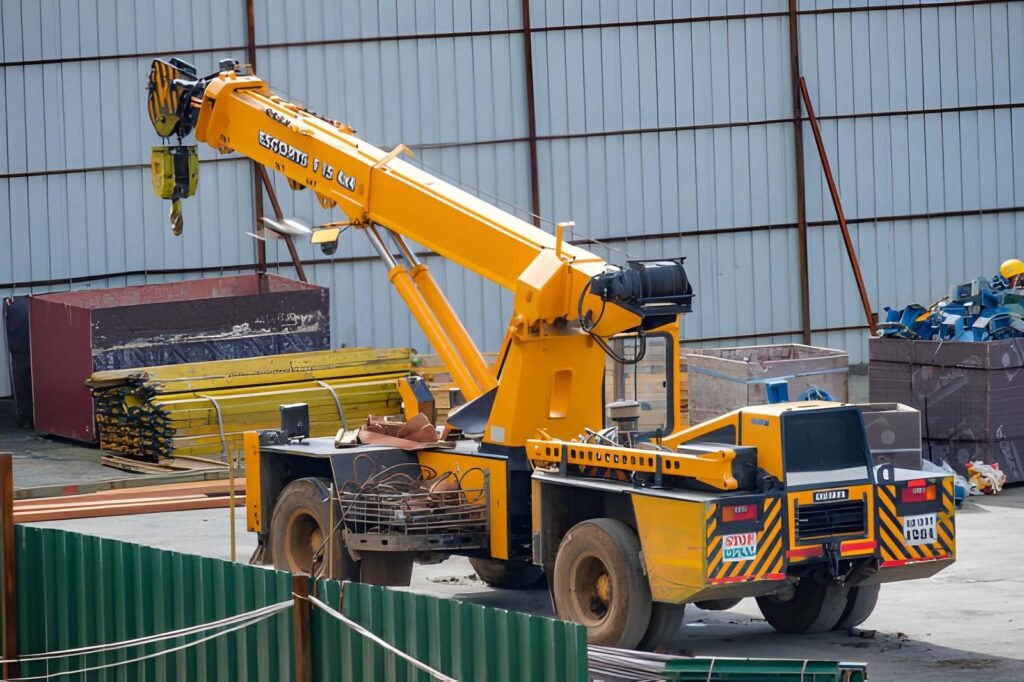
High winds can significantly impact crane stability by increasing load sway, structural stress, and the risk of tipping. Crane operations should always follow manufacturer wind speed limits and site-specific safety procedures to ensure safe lifting.
Weather conditions play a major role in crane safety. Among all weather factors, wind has the greatest impact on crane stability and load control. Strong winds can affect both the crane and the materials being lifted. Understanding these risks helps operators make safer decisions on site.
How Does Wind Impact Crane Stability?
Gantry Crane Manufacturer in Dubai operations must carefully account for wind forces during lifting activities. Wind creates additional pressure on both the crane and the load, making movement harder to control as wind speeds increase. This is particularly important during high lifts or when handling large, exposed loads. Excessive wind can reduce crane stability, increase load sway, and raise the risk of accidents, which is why strict weather monitoring and safety procedures are essential.
How Much Weight Can a Jib Crane Lift?
What Weather Conditions Affect Crane Stability?
Several weather conditions can influence crane performance and safety:
- High winds are causing load swing and lateral forces.
- Rain reduces ground stability and traction.
- Storms increase the risk of sudden gusts and lightning strikes.
- Extreme heat affecting hydraulic systems and operator performance.
- Freezing temperatures make metal components more brittle.
- Poor visibility from fog, glare, or heavy rain.
- Uneven ground conditions caused by water accumulation.
What is the difference between a crane and a jib crane?
How to Safely Operate a Crane in Windy Conditions
Step 1:
Check weather forecasts before starting any lifting operation.
Step 2:
Measure wind speeds using on-site monitoring equipment such as anemometers.
Step 3:
Review the crane manufacturer’s approved wind speed limits.
Step 4:
Reduce lifting activities when wind speeds approach operational thresholds.
Step 5:
Stop operations immediately if wind conditions exceed safe limits.
Step 6:
Secure the load, retract the boom if possible, and place the crane in a safe configuration.
What’s the Difference Between a Jib and a Boom?
What Factors Increase Wind Risk During Crane Operations?
- Load surface area.
- Lift height.
- Boom length and extension.
- Crane type and configuration.
- Site location and surrounding structures.
- Sudden wind gusts and turbulence.
The larger the load and the higher the lift, the greater the effect wind will have on stability.
Need Safe and Reliable Crane Solutions in Dubai?
Weather conditions can change quickly, making crane safety and proper planning essential for every project. At Dubai Cranes, our experienced team helps clients select the right lifting equipment, follow industry safety standards, and ensure operations run smoothly in challenging conditions. Whether you need support for construction, infrastructure, or industrial lifting projects, we provide dependable crane solutions tailored to your requirements. Contact Dubai Cranes today to discuss your project and find the safest and most efficient lifting solution.
FAQs
What wind speed is too high for crane operation?
Most mobile cranes should stop operating when wind speeds exceed approximately 20–25 mph, although manufacturer limits should always take priority.
Why does wind make crane loads swing?
Wind applies force to the suspended load, causing movement that can make positioning difficult and increase safety risks.
Can tower cranes operate in strong winds?
Tower cranes have specific wind limits and often cease lifting operations when wind speeds exceed safe operating thresholds.
How do crane operators monitor wind conditions?
Operators use weather forecasts, site monitoring systems, and anemometers positioned at various heights to measure wind speed in real time.
What should happen if the weather changes during a lift?
The lift should be stopped immediately, the load secured safely, and operations suspended until conditions return to safe levels.
Last Updated: 3 June 2026
Author: Dubai Cranes Technical Team