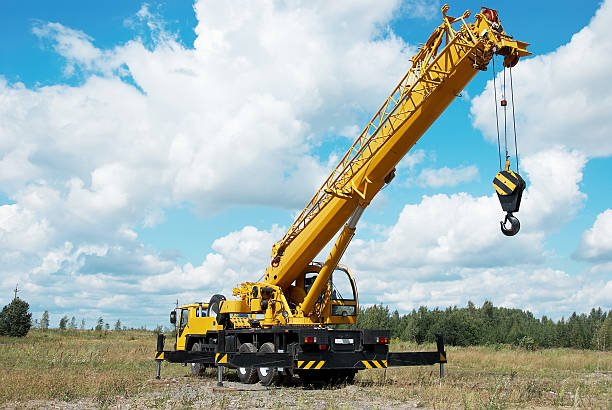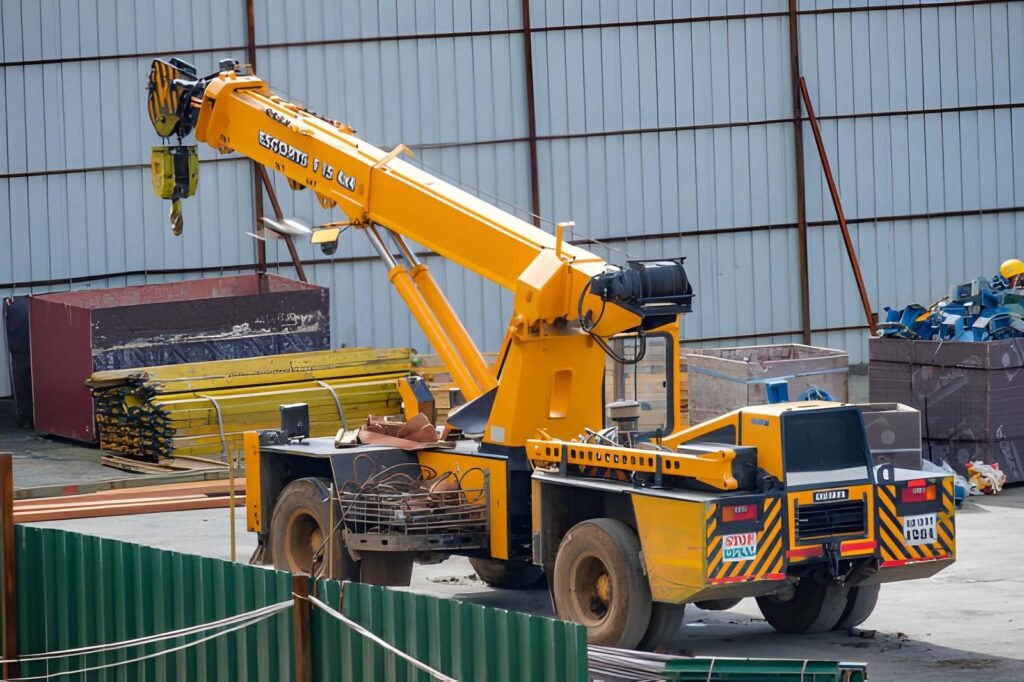

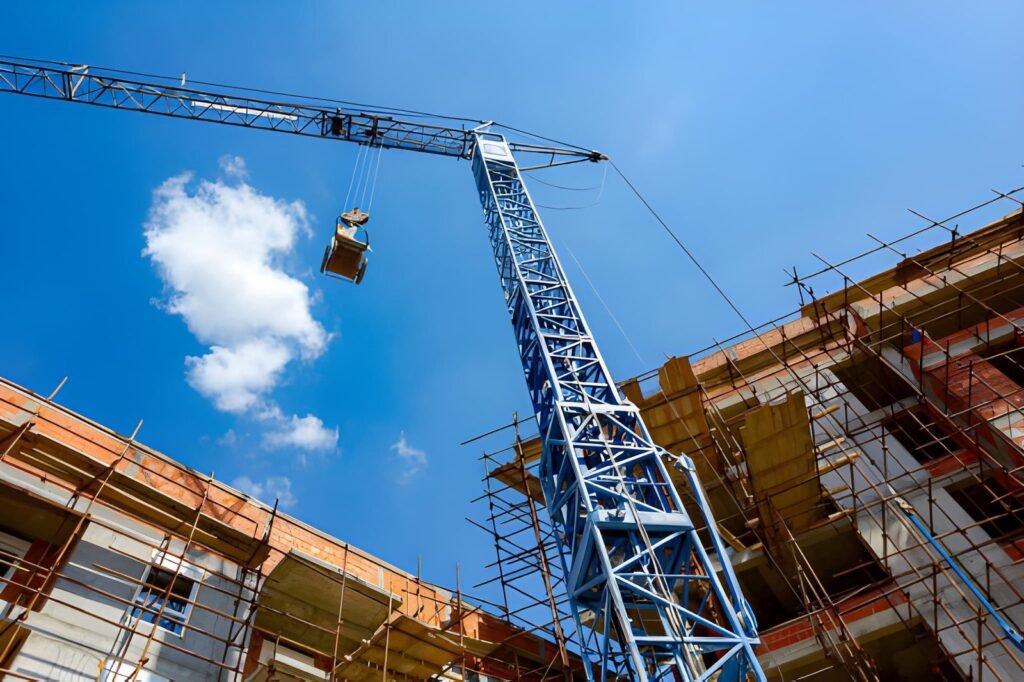
Tower cranes are assembled on-site in a structured sequence starting from a reinforced base, followed by mast sections, slewing unit, jib, and counterweights. The process uses mobile cranes and hydraulic systems to ensure precision, stability, and safety during the construction of high-rise buildings.
Tower cranes are essential for building tall structures. They lift heavy materials to great heights safely and efficiently. Their assembly is a highly engineered process that follows strict safety rules. Each stage must be completed in order to ensure stability and performance on-site.
What Is a Tower Crane?
A tower crane is a fixed lifting machine used in construction to move heavy materials vertically and horizontally. It is mainly used for high-rise buildings and large infrastructure projects, similar in function to jib cranes in Dubai for controlled lifting operations. It provides height, strength, and precision that mobile cranes cannot match.
How Much Weight Can a Jib Crane Lift?
Main Parts of a Tower Crane
A tower crane is made of key structural and mechanical components:
- Base: Reinforced concrete foundation for stability
- Mast: Vertical tower structure that provides height
- Slewing Unit: Allows 360-degree rotation
- Jib: Long working arm for lifting loads
- Counter-jib: Balances the crane structure
- Counterweights: Prevent tipping during lifts
- Operator Cabin: Controls crane movement and lifting
What is the difference between a crane and a jib crane?
Step-by-Step Process of Tower Crane Assembly
1. Site Preparation
Engineers inspect the ground and design a strong foundation. Soil strength, load capacity, and safety factors are checked before installation begins.
2. Installing the Base
The crane base is fixed into a reinforced concrete block using heavy anchor bolts. It is carefully levelled to ensure full stability.
3. Erecting the Mast
Mast sections are lifted using mobile cranes and bolted together one by one. This creates the vertical height of the crane.
4. Installing the Slewing Unit
The slewing unit is placed on top of the mast. It allows the crane to rotate and must be aligned precisely.
5. Adding Jib and Counterweights
The jib and counter-jib are installed next. Counterweights are added to balance the structure during lifting operations.
6. Climbing the Crane
As the building rises, hydraulic jacks lift the crane. New mast sections are inserted to increase height.
7. Final Testing
Engineers perform load tests, safety inspections, and operational checks before the crane is approved for use.
What’s the Difference Between a Jib and a Boom?
Dubai Cranes – Expert Tower Crane Solutions
Looking for reliable tower crane services in Dubai? Dubai Cranes provides professional crane solutions for construction projects of all sizes, including installation, lifting, and on-site support. Get safe, efficient, and expert-managed crane operations tailored to your project needs. Contact Dubai Cranes today to discuss your requirements and get a fast quotation.
Frequently Asked Questions
How long does it take to assemble a tower crane?
It usually takes 1 to 3 days, depending on crane size, weather, and site conditions.
What holds a tower crane in place?
A reinforced concrete foundation and counterweights keep the crane stable and balanced.
How much can a tower crane lift?
Most tower cranes can lift between 10 and 20 tonnes, depending on design and radius.
Why don’t tower cranes fall over?
They are engineered with strong bases, counterweights, and sometimes building tie-ins for extra stability.
What is crane climbing?
It is a method where hydraulic systems lift the crane to add new mast sections as the building grows.
Author Information
Written by: Construction Content Team
Reviewed by: Senior Site Engineering Consultant
Last Updated
June 2, 2026