

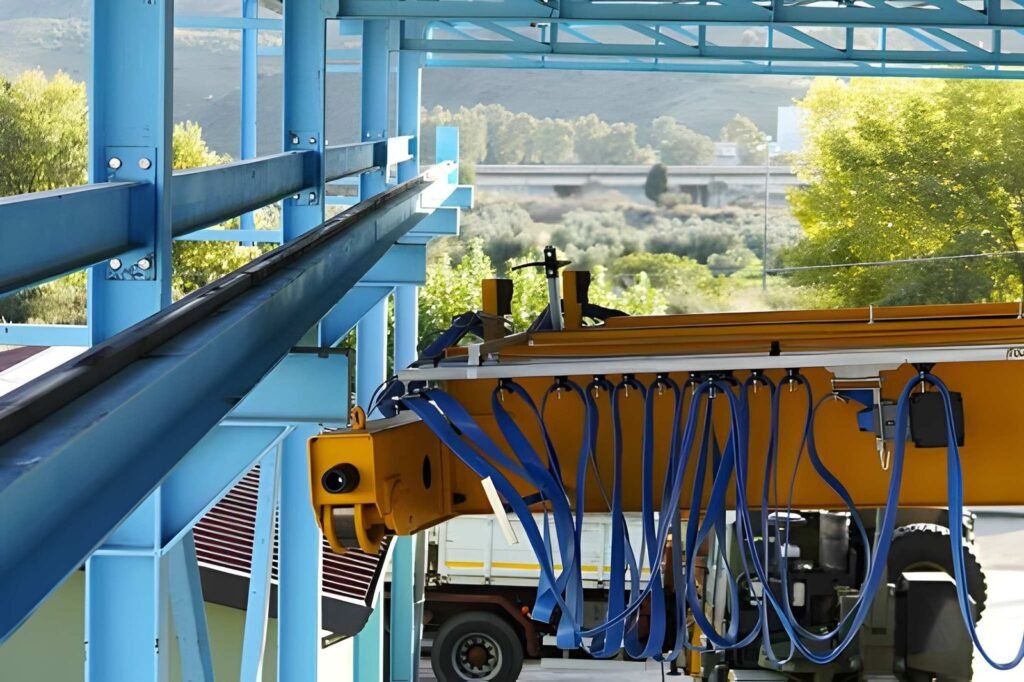
Crane lifting capacity is calculated using load charts, boom length, load radius, and environmental conditions. Operators must consider total load weight, crane configuration, and safety margins to ensure safe lifting operations.
Crane lifting capacity is not a fixed number. It changes based on how the crane is set up and the type of load being lifted. Understanding how capacity is calculated is essential for safe and efficient lifting operations. This guide explains the key factors, calculations, and safety rules in simple steps.
Understanding Crane Load Capacity
Crane load capacity is the maximum weight a crane can safely lift under specific working conditions. A Gantry crane manufacturer in Dubai designs systems by considering structure, load distribution, and operational safety requirements.
It depends on geometry, balance, and environmental forces.
It is not just about strength. It is about stability and safe performance on site.
Main Factors That Affect Crane Lifting Capacity
Crane capacity changes based on several key factors:
- Load weight, including rigging and hooks
- Boom length and lifting angle
- Load radius (distance from crane centre)
- Ground stability and setup conditions
- Wind speed and weather conditions
- Crane configuration (outriggers or tracks)
Even small changes in setup can significantly reduce lifting capacity.
Step-by-Step Crane Capacity Calculation
1: Determine Total Load Weight
Include the load plus all lifting accessories like slings and hooks.
2: Measure Load Radius
Find the distance between the crane centre and the load position.
3: Check Boom Length and Angle
Longer booms and higher angles reduce lifting capacity.
4: Use the Load Chart
Match radius and boom settings with the crane’s load chart to find safe capacity.
5: Apply Safety Margin
Stay within 75–85% of maximum rated capacity for safe lifting.
Why Crane Load Charts Are Important
A crane load chart helps operators understand safe working limits.
It shows:
- Maximum lifting capacity
- Safe radius limits
- Boom configuration limits
- Stability conditions
Without it, safe lifting is not possible.
Common Mistakes in Capacity Calculation
Many lifting accidents happen due to simple errors:
- Ignoring rigging weight
- Misreading load charts
- Overlooking wind conditions
- Extending the boom beyond the safe range
- Skipping safety margins
Proper training reduces these risks.
Safety Rules for Crane Operations
Safety must always come first in lifting operations.
Follow these rules:
- Inspect the crane before every lift
- Avoid lifting in high winds
- Never exceed load chart limits
- Maintain clear communication
- Use certified rigging equipment
Call to Action:
For reliable lifting solutions and expert engineering support, contact Dubai Cranes to discuss your gantry crane requirements and get a solution tailored to your project needs.
FAQs
1. What is crane lifting capacity based on?
It is based on boom length, load radius, crane setup, and environmental conditions.
2. Why does load radius reduce capacity?
Because the farther the load is, the more leverage is applied on the crane, reducing stability.
3. What is a safety margin in crane lifting?
It is a buffer (usually 10–25%) below maximum capacity to prevent overload risks.
4. How do operators check the safe lifting weight?
They use the crane’s load chart based on boom configuration and radius.
5. What happens if crane capacity is exceeded?
It can lead to tipping, structural failure, or serious safety accidents.
Author
Prepared by: Engineering Content Team
Reviewed by: Site Safety Consultant
Last Updated: May 2026