
Crane Inspection in the Middle East: Why It Matters
Crane inspections are crucial for ensuring workplace safety, compliance with regulations, and preventing costly downtime. Across the Middle East, including the UAE, Saudi Arabia, and Qatar, regular crane inspections are mandated by governing bodies to maintain operational reliability and minimise accident risks.
Regulatory Requirements for Crane Inspections
UAE: Crane Regulations and Governing Bodies
In the UAE, crane operations are regulated by government authorities that set stringent requirements for safety, certification, and inspection frequency. Every crane operator must hold a valid certification, and all lifting equipment must undergo regular inspection and maintenance as part of national safety compliance.
Saudi Arabia: Crane Safety Laws and Compliance
Saudi Arabia enforces comprehensive industrial safety laws for cranes through its regulatory bodies. These require certified operators, documented inspections, and adherence to safety standards that align with international norms. Inspections must be recorded and reviewed to ensure continued compliance.
Qatar: Crane Operation Guidelines and Enforcement
Qatar’s laws emphasise periodic crane inspection, operator licensing, and maintenance documentation. Regular audits by governing bodies ensure safe machine operation, and penalties for non-compliance can be severe, underscoring the importance of adherence to inspection timelines.
Crane Inspection Categories and Process
Crane inspections can be grouped into several categories that collectively cover every aspect of crane functionality and safety.
1. Initial Inspection
Conducted before a crane is first used, this inspection ensures compliance with manufacturer and regulatory standards, verifying all systems function correctly.
2. Functional Test Inspection
This test confirms that operational components—hoists, brakes, and controls—are functioning safely before routine use.
3. Frequent Inspection
These are short interval checks performed daily or weekly, focusing on visible wear, fluid levels, wire ropes, hooks, and safety devices.
4. Periodic Inspection
Comprehensive assessments done at least annually, depending on crane type and usage intensity, reviewing structural components, electrical systems, and mechanical integrity.
OSHA Crane Inspection for Idle Cranes
Cranes that remain idle for extended periods must be thoroughly checked before returning to service, as inactivity may lead to corrosion or mechanical issues.
Crane Inspection Checklist
An effective checklist ensures consistency and safety. The following areas should always be covered during inspection.
1. Lockout/Tagout Procedures
Ensure all energy sources are safely deactivated and locked before inspections begin to prevent accidental activation.
2. Crane Surroundings Inspection
Inspect the operating area to confirm sufficient clearance, proper ground stability, and absence of obstructions or hazards.
3. General Equipment Inspection
Check the structural integrity of the crane, including boom, jib, and base structures for cracks, rust, or deformation.
4. Safety Equipment Assessment
Verify that emergency stop buttons, alarms, and overload indicators are fully operational.
5. Hoist Hook Inspection
Examine hooks for distortion, cracks, or excessive wear, and confirm proper safety latch operation.
6. Wire Rope and Load Chain Examination
Inspect ropes and chains for fraying, corrosion, or elongation. Replace components that fail safety standards immediately.
7. Other Inspection Items
Include lubrication, electrical wiring, and control panel checks to ensure full functionality and safety.
The Crucial Timing of Crane Inspections: How Often Is Enough?
Inspection frequency depends on usage, environment, and crane type. For example, cranes operating in construction zones may require more frequent checks compared to warehouse cranes. As a best practice, frequent inspections should be conducted weekly, and periodic ones every six to twelve months, depending on load cycles and regulatory guidance.
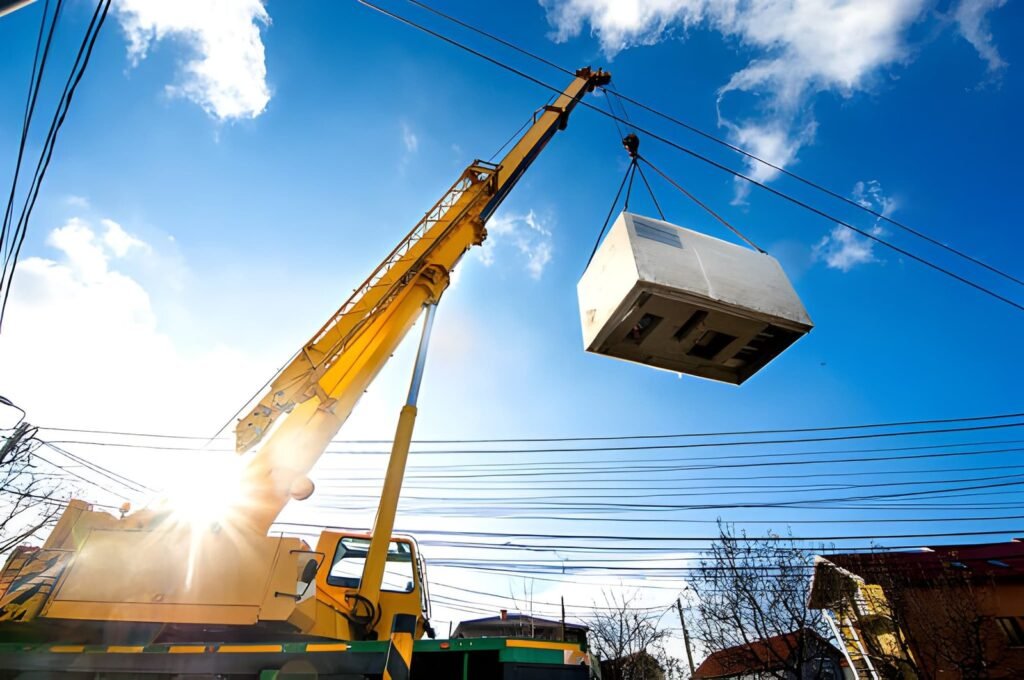
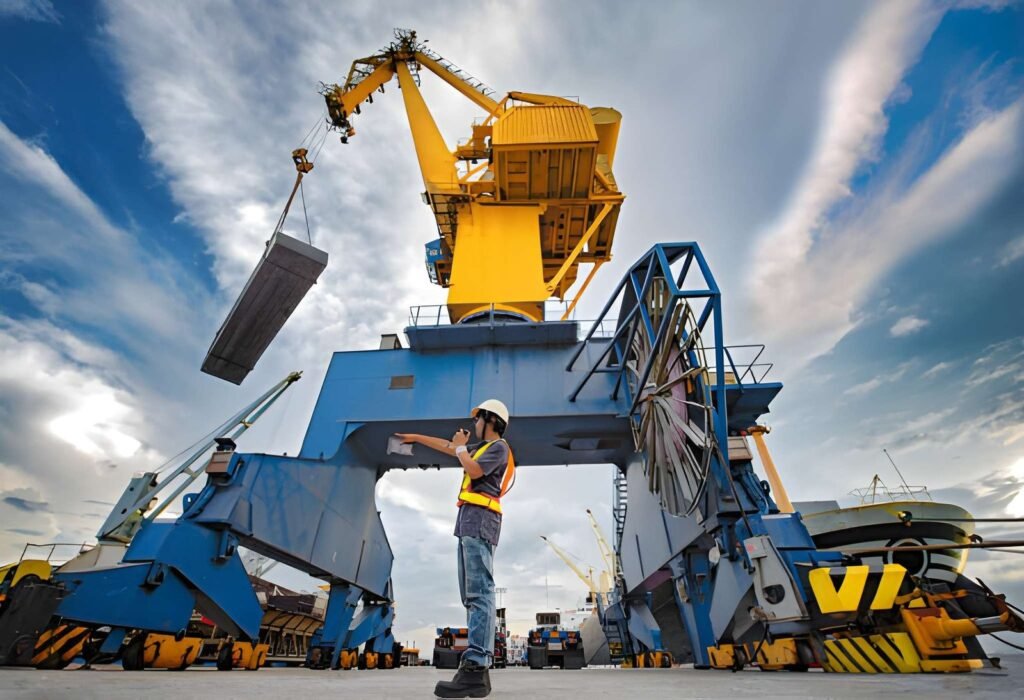
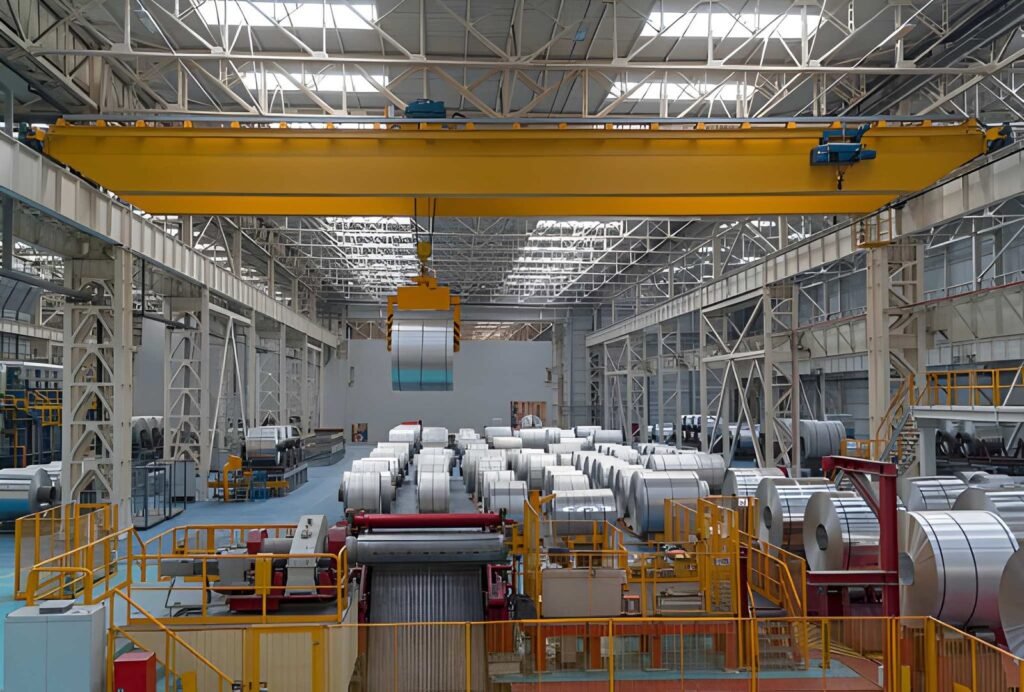
Mobile, Tower, and Overhead Cranes
Special Considerations for Dubai
Dubai’s strong industrial and construction activity demands adherence to both national and regional safety standards. Frequent and detailed crane inspections are vital due to high operation intensity and environmental factors like dust and temperature fluctuations.
Understanding the Inspection Process
Visual Checks
Identify visible damage, leaks, or corrosion before operations begin each day.
Operational Checks
Verify controls, brakes, and safety systems function as intended under a test load.
The Role of Qualified Inspectors
Inspections must only be carried out by certified professionals who understand structural mechanics and crane operation principles to ensure accurate assessment and reporting.
Benefits of Regular Crane Inspections
Accident Prevention
Early detection of faults prevents accidents, safeguarding both operators and the worksite’s integrity.
Equipment Reliability
Routine inspections reduce unscheduled downtime caused by mechanical failures, ensuring consistent performance.
Extended Lifespan
Properly maintained cranes last longer, reducing the need for premature replacements and saving on capital costs.
Integrating Inspection Schedules into Maintenance Programmes
Use Technology for Scheduling
Digital maintenance management systems streamline scheduling, reminders, and reporting for consistency across inspection cycles.
Create a Routine
Establish a fixed maintenance cycle integrated into your work plan to ensure no inspections are skipped or delayed.
Training and Awareness
Operators and maintenance staff should regularly receive training on recognising early warning signs of equipment fatigue and the importance of timely reporting.
Choosing the Right Crane Inspection Company
Comprehensive Services
A reliable inspection company should handle inspection, testing, maintenance planning, and documentation in line with current regulations.
Customer Reviews
Feedback from previous clients reflects reliability, professionalism, and service consistency, crucial for operational trust.
Common Issues Identified During Crane Inspections
Structural Wear and Tear
Long-term stress causes cracks and fatigue; early identification allows for timely repair.
Mechanical Failures
Problems in gears, brakes, or hydraulic systems often result from inadequate maintenance or overloading.
Safety Feature Malfunctions
Defective limit switches or alarms can jeopardise safety and must be rectified immediately.
Real-World Examples of Crane Inspection Benefits
Accident Prevention Success
Sites that schedule regular inspections report fewer lift-related incidents and smoother operations.
Enhanced Reliability in Manufacturing
Routine oversight reduces downtime, improving production timelines and profitability.
Cost Savings through Preventive Maintenance
Detecting issues early reduces major repair costs and prevents unplanned operational stoppages.
The Digital Transformation of Crane Inspections
Drone Inspections
These enable quick visual checks of tall structures, minimising human risk and inspection time.
AI and Machine Learning
Modern analytics predict potential failures using pattern recognition from past inspection data.
Remote Monitoring
Real-time data from sensors allows continuous health tracking, supporting predictive maintenance strategies.
Best Practices for Crane Safety and Compliance
FAQs
How often should a crane be fully inspected?
Most cranes require frequent inspections weekly or monthly and periodic inspections annually, depending on operating conditions and manufacturer recommendations.
Who is qualified to inspect a crane?
Only certified and experienced inspectors who understand mechanical, electrical, and structural aspects of cranes may conduct formal inspections.
What happens if inspection timelines are missed?
Failing to meet inspection schedules may result in equipment failure, accidents, or regulatory penalties for non-compliance.
Why are periodic inspections more detailed?
They involve deep structural and mechanical checks beyond visual assessments to detect hidden wear and fatigue.
What are the main benefits of digital inspection technology?
Digital systems improve accuracy, maintain historical data, and enable predictive maintenance that lowers risk and cost.