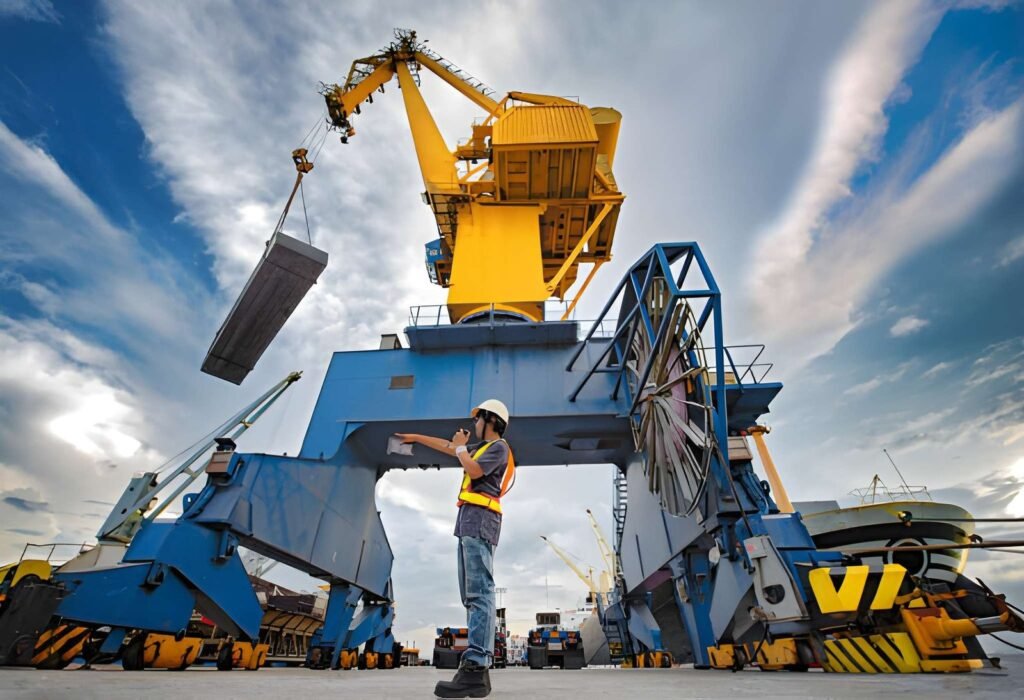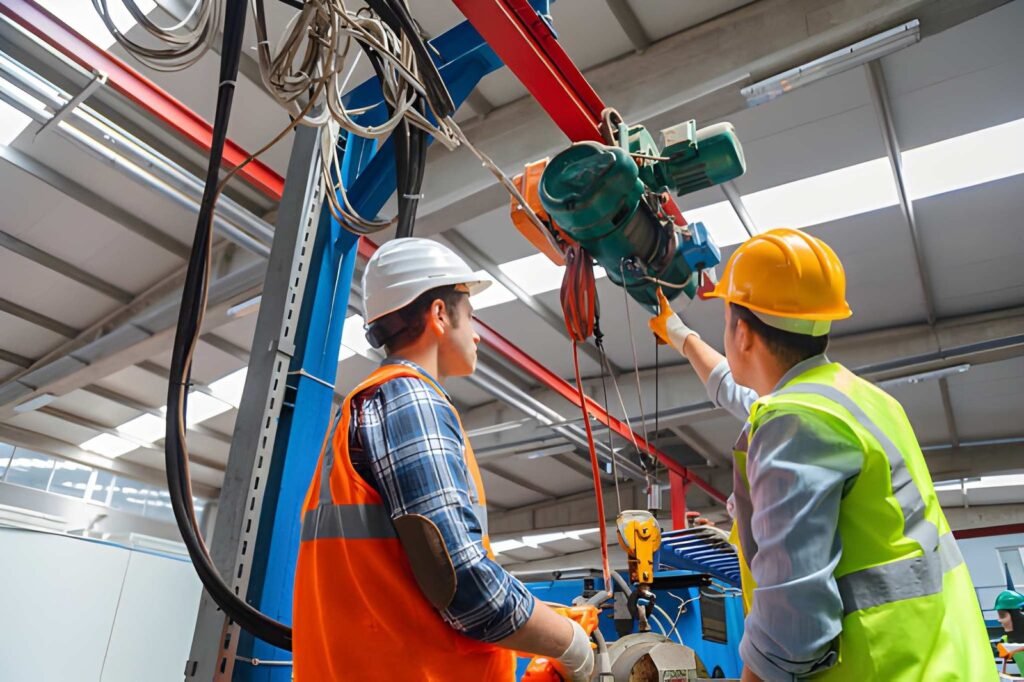


The number one killer of crane operators is electrocution, usually caused by contact with overhead power lines. These incidents often occur when cranes operate too close to live electrical sources. Proper planning, safe distances, and training significantly reduce this risk.
Crane operators work in high-risk environments where safety is critical. Crane accidents can result in serious injuries or death. Understanding the main causes helps prevent incidents. Electrocution remains the leading fatal hazard. Awareness and safety procedures play an important role in protecting crane operators and nearby workers.
What Is the Number One Killer of Crane Operators?
Electrocution is the leading cause of crane-related deaths. It usually happens when crane booms, cables, or loads contact overhead power lines. Electricity can travel through metal components and reach the operator or ground crew.
These incidents are often fatal because high-voltage electricity causes severe injury instantly.
How Much Weight Can a Jib Crane Lift?
Why Electrocution Is the Leading Cause
Electrocution risk increases due to several factors:
- Operating cranes near overhead power lines
- Lack of proper site planning
- Poor visibility or operator awareness
- Failure to maintain safe clearance distances
- Absence of warning systems or spotters
Even indirect contact can be deadly.
Other Major Causes of Crane Operator Fatalities
Besides electrocution, other serious risks include:
- Crane collapses due to overloading or structural failure
- Falling loads striking workers
- Crane overturns on unstable ground
- Falls from crane structures
- Equipment failure due to poor maintenance
These hazards highlight the importance of strict safety procedures.
What is the difference between a crane and a jib crane?
How to Prevent Crane Operator Fatalities (Step-by-Step)
- Inspect the site for overhead power lines before operation
- Maintain safe clearance distances from electrical sources
- Use trained and certified crane operators only
- Conduct daily crane inspections and maintenance checks
- Monitor weather conditions such as strong winds
- Use communication systems between operator and ground crew
These steps significantly reduce accident risk.
Where Crane Operator Fatalities Most Commonly Occur
Crane fatalities most often occur in:
- Construction sites
- Shipping ports
- Industrial facilities
- Infrastructure projects
- Outdoor work environments near power lines
Construction sites have the highest risk due to frequent crane use.
What’s the Difference Between a Jib and a Boom?
Ensure Safe and Reliable Crane Operations with Dubai Cranes
Crane safety depends on proper equipment, regular inspections, and trained operators. Using well-maintained cranes and following correct safety procedures helps reduce risks such as electrocution, tipping, and falling loads. Professional support also ensures compliance with safety standards and improves operational efficiency.
At Dubai Cranes, we provide high-quality crane solutions, safety-focused equipment, and expert support for construction and industrial projects. Contact Dubai Cranes today to learn more about safe crane operations and reliable lifting solutions for your project.
FAQs
What is the leading cause of crane operator death?
Electrocution from contact with overhead power lines is the leading cause.
How do crane operators get electrocuted?
Electrocution occurs when crane parts contact or come too close to live electrical lines.
What is the most dangerous part of crane operation?
Working near power lines and lifting heavy loads are the most dangerous tasks.
Can crane accidents be prevented?
Yes. Proper training, inspections, and safety planning prevent many crane accidents.
Why are cranes dangerous near power lines?
Metal crane parts conduct electricity, allowing current to travel through the equipment and operator.
Author
Safety Content Team
Last Updated
17 February 2026